
















































What Causes Dandruff in winter and How Can You Prevent It

Short Summary Of The Blog
"Winter is a season many people look forward to, but colder weather can bring a few unwanted hair and scalp problems. One of the most common is dandruff. If you notice white flakes on your shoulders, an itchy scalp or increased dryness during the colder months, you are not alone. Dandruff often becomes more noticeable in winter because cold outdoor air, indoor heating and changes in scalp moisture can affect scalp health. However, dry weather is not the only reason behind it. Excess oil production, yeast overgrowth and unsuitable hair care products can also contribute to dandruff. The good news is that a consistent hair care routine can help manage flakes and keep your scalp comfortable."
Let's understand what causes winter dandruff and how you can prevent it.
Table of Contents
- Why Does Dandruff Become Worse During Winter?
- What Are The Main Causes Of Dandruff In Winter?
- How Can You Prevent Dandruff During Winter?
- Dry Scalp vs Dandruff: How Can You Identify The Difference?
- Which Indus Valley Anti-Dandruff Shampoo Ingredients Help Maintain Scalp Health?
- How Should You Use Indus Valley Anti-Dandruff Shampoo?
- When Should You Consult A Dermatologist For Dandruff?
- FAQ's
Why Does Dandruff Become Worse During Winter?
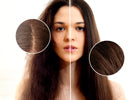
During winter, the scalp is exposed to cold, dry air outside and heated indoor environments. Both can affect its natural moisture balance. When the scalp becomes dry or irritated, flaking and itching may become more noticeable. Some people also wash their hair less frequently during winter, allowing excess oil, dead skin cells and product buildup to accumulate on the scalp.
Here are some common reasons winter dandruff becomes more troublesome:
- Low Humidity: Cold air contains less moisture, which can leave the scalp feeling dry.
- Indoor Heating: Heaters can reduce indoor humidity and contribute to scalp dryness.
- Hot Showers: Washing hair with very hot water can strip away natural oils.
- Excess Oil Production: Oil buildup can encourage the growth of Malassezia, a yeast naturally found on the scalp.
- Irregular Hair Washing: Less frequent cleansing can allow dead skin cells and excess sebum to accumulate.
What Are The Main Causes Of Dandruff In Winter?
Understanding the underlying cause of dandruff is important because not every flaky scalp has the same problem.
1. Dry Scalp Due To Cold Weather
Dry scalp is one of the common reasons people experience flakes during winter. Cold temperatures and low humidity can reduce moisture in the skin, leaving the scalp feeling tight, rough and itchy. Dry scalp flakes are generally small, fine and white. You may also notice dryness around your forehead or hairline.
2. Excess Oil And Sebum Buildup
Not all dandruff is caused by dryness. Sometimes, the scalp produces excess sebum, which combines with dead skin cells and contributes to greasy flakes. This condition may be associated with seborrhoeic dermatitis, which can cause itching, redness and yellowish or oily flakes.
3. Growth Of Malassezia Yeast
Malassezia is a naturally occurring yeast that lives on the scalp. In some individuals, it can contribute to irritation and faster shedding of skin cells, resulting in visible dandruff. Changes in scalp oil production and individual sensitivity can influence how noticeable these symptoms become.
4. Washing Hair With Hot Water
Hot showers feel relaxing during winter, but extremely hot water can remove natural oils from your scalp and hair. This may worsen dryness, irritation and itching. Using lukewarm water is a better option for maintaining scalp comfort.
5. Product Buildup And Poor Hair Care Habits
Heavy styling products, hair oils and infrequent shampooing can contribute to buildup on the scalp. When combined with excess sebum and dead skin cells, this may make flakes more noticeable.
How Can You Prevent Dandruff During Winter?
Preventing winter dandruff does not require an overly complicated hair care routine. A few simple changes in your hair care habits can help maintain scalp cleanliness, reduce irritation and manage visible flakes.
1. Use A Suitable Anti-Dandruff Shampoo
Choosing the right shampoo is one of the most important steps in managing dandruff. A good anti-dandruff shampoo should help remove excess oil, loosen flakes and address the factors contributing to dandruff.
Look for formulations containing recognized anti-dandruff ingredients such as:
- Climbazole to help control dandruff-associated yeast.
- Salicylic acid to loosen dead skin cells and reduce flaking.
- Other dermatologist-recommended ingredients suited to your scalp condition.
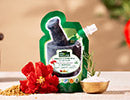
If you are looking for a product that combines cleansing with conditioning, Indus Valley Anti-Dandruff Shampoo is worth considering. Its formula includes Climbazole, Salicylic Acid, Rosemary Extract, Aloe Vera and Soy Protein. The shampoo is soap-free and alkali-free, with a balanced pH of 5.5. These features make it an option to consider when building a regular winter hair care routine.
2. Avoid Washing Your Hair With Very Hot Water
A hot shower may feel comforting on a cold winter morning, but excessively hot water can strip away natural oils and aggravate scalp dryness.
Instead:
- Use lukewarm water while washing your hair.
- Avoid rubbing your scalp aggressively.
- Rinse thoroughly to remove shampoo residue.
- Pat your hair dry instead of rubbing it with a towel.
3. Maintain A Regular Hair Washing Routine
Skipping shampoo days for too long can allow oil, sweat and dead skin cells to accumulate on your scalp. This may make dandruff more noticeable, particularly if you have an oily scalp. Choose a washing frequency according to your scalp type and the shampoo instructions. People with oily scalps may need more frequent cleansing than those with dry scalps.
4. Keep Your Scalp Clean And Avoid Product Buildup
Hair sprays, styling creams and heavy oils can leave residue when used excessively. Avoid applying too many products directly to your scalp, especially when you are already experiencing dandruff.
A few helpful habits include:
- Clean your hairbrush and comb regularly.
- Avoid sharing personal hair care accessories.
- Wash away sweat and product residue.
- Avoid scratching or picking at dry flakes.
5. Protect Your Hair From Cold And Dry Air
Just as your skin needs extra care during winter, your scalp also benefits from protection against harsh environmental conditions. Wear a comfortable, breathable cap when going outdoors in extremely cold weather. Avoid tight headwear that traps excessive sweat and oil. If indoor heating makes the air particularly dry, using a humidifier may also help maintain moisture in your surroundings.
Dry Scalp vs Dandruff: How Can You Identify The Difference?
Dry scalp and dandruff may look similar, but they are not exactly the same. Understanding the difference can help you choose a more suitable hair care routine.
| Factors | Dry Scalp | Dandruff |
|---|---|---|
| Main Cause | Loss of natural moisture | Often associated with excess oil and Malassezia yeast |
| Flakes | Small, dry and white | White or yellowish, sometimes greasy |
| Scalp Condition | Feels tight and dry | May feel oily, itchy or irritated |
| Common Triggers | Cold weather and low humidity | Yeast activity, excess oil and skin sensitivity |
| Care Approach | Gentle cleansing and moisture support | Suitable anti-dandruff shampoo |
Which Indus Valley Anti-Dandruff Shampoo Ingredients Help Maintain Scalp Health?

Choosing hair care products based on their ingredients can help you build a more informed routine. Indus Valley Anti-Dandruff Shampoo combines three key ingredients for dandruff care with additional conditioning ingredients.
| Ingredient | Role In Hair Care |
|---|---|
| Climbazole | Helps control dandruff-associated yeast |
| Salicylic Acid | Helps loosen dead skin cells and reduce flakes |
| Rosemary Extract | Helps soothe an itchy scalp |
| Aloe Vera | Provides hydration and supports conditioning |
| Soy Protein | Helps condition and nourish hair |
How Should You Use Indus Valley Anti-Dandruff Shampoo?
Using a shampoo correctly is just as important as choosing the right formula.
Step 1: Take The Right Amount
Take approximately 5–7 ml of shampoo in your palm.
Step 2: Apply To Wet Scalp
Apply it gently to your wet scalp.
Step 3: Massage Gently
Massage without scratching or rubbing aggressively.
Step 4: Wait 1–2 Minutes
Leave it on for 1–2 minutes.
Step 5: Rinse Thoroughly
Rinse thoroughly with water.
When Should You Consult A Dermatologist For Dandruff?
Occasional flakes may improve with suitable hair care, but persistent scalp problems should not be ignored.
Consider consulting a dermatologist if:
- Dandruff does not improve after using an appropriate anti-dandruff shampoo.
- Your scalp becomes excessively itchy or red.
- You notice thick, crusty or yellowish patches.
- Flaking spreads to your eyebrows, ears or other facial areas.
- You experience scalp pain, sores or unusual hair loss.