















































How to Get Rid of Dark Spots Without Ruining Your Skin Barrier

Short Summary Of The Blog
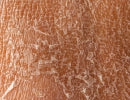
Dark spots may develop because of sun exposure, acne marks, irritation, hormonal changes, or repeated friction. While strong exfoliants and aggressive treatments may appear to offer faster results, overusing them can leave the skin dry, sensitive, and more prone to uneven pigmentation.
Not to worry, a complicated skincare routine is not always necessary. In this blog, you will understand what causes dark spots, how the skin barrier affects pigmentation, how to choose a suitable pigmentation cream, and how to build a gentle routine for clearer and more even-looking skin.
Table of Contents
- Best Ways to Manage Dark Spots Without Damaging the Skin Barrier
- What Causes Dark Spots?
- Dark Spots vs a Damaged Skin Barrier
- How to Choose the Right Pigmentation Product
- Natural Ingredients for Brighter, Clearer and Healthier-Looking Skin
- 3-Step Daily Skincare Regimen for Dark Spots and Pigmentation
- Common Mistakes That Can Make Dark Spots Worse
- When Should You Consult a Dermatologist?
- Conclusion
- FAQ's
Best Ways to Manage Dark Spots Without Damaging the Skin Barrier
| Skincare Step | Ideal For | Why It Is Important |
|---|---|---|
| Gentle cleansing | All skin types | Removes dirt, oil, and sunscreen without stripping natural moisture |
| Daily sunscreen | Sun spots, tanning, acne marks | Helps prevent existing pigmentation from becoming darker |
| Barrier-supporting moisturiser | Dry, sensitive, irritated skin | Helps reduce moisture loss and supports skin comfort |
| Lightweight pigmentation gel | Uneven tone, dullness, dark spots | Can be layered without making the skin feel heavy |
| Controlled exfoliation | Rough, textured skin | Helps remove surface-level dead skin when used carefully |
| Antioxidant skincare | Dull and tired-looking skin | Supports the skin against environmental stress |
| Patch testing | Sensitive or reactive skin | Helps identify possible irritation before full-face use |
| Consistent routine | Long-standing pigmentation | Allows skincare products enough time to work gradually |
What Causes Dark Spots?
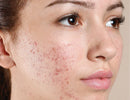
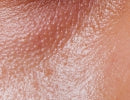
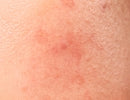
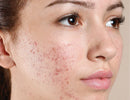
Dark spots develop when certain areas of the skin produce more melanin than the surrounding areas. This excess pigment may appear as acne marks, sun spots, uneven patches, pigmentation around the mouth, or dull-looking areas.
Some common causes include:- Frequent sun exposure without sunscreen
- Marks left behind after acne or inflammation
- Picking or squeezing pimples
- Hormonal changes
- Friction around the mouth, nose, or under-eye area
- Harsh skincare products
- Over-exfoliation
- Skin sensitivity or irritation
- Age-related changes in skin tone
Understanding the possible cause is important because not every type of pigmentation responds to the same skincare routine.
Dark Spots vs a Damaged Skin Barrier
Dark spots and barrier damage are different concerns, but they can affect each other.
| Dark Spots | Damaged Skin Barrier |
|---|---|
| Uneven brown or grey patches | Redness, burning, or sensitivity |
| Often caused by melanin overproduction | Often caused by over-cleansing or over-exfoliation |
| May develop after acne or sun exposure | May cause dryness, flaking, and tightness |
| Requires sun protection and consistent care | Requires hydration and a simplified routine |
| Can take time to appear lighter | May improve when irritating products are stopped |
Using a strong pigmentation removal cream while the skin is already irritated may increase discomfort. Therefore, barrier care should come before aggressive pigmentation treatments.
How to Choose the Right Pigmentation Product
| Skin Type or Concern | What to Look For |
|---|---|
| Oily skin | Lightweight, non-sticky gel formulations |
| Dry skin | Hydrating pigmentation products followed by moisturiser |
| Combination skin | Fast-absorbing products that do not feel heavy |
| Sensitive skin | Skin-friendly formulas and patch testing |
| Acne marks | Gentle products that do not encourage over-exfoliation |
| Sun spots | Pigmentation care combined with broad-spectrum sunscreen |
| Dull skin | Antioxidants, multivitamins, and hydrating ingredients |
| Pigmentation around the mouth | Gentle application and avoidance of friction |
| Under-eye dullness | Lightweight products suitable for careful application |
The Best cream for pigmentation is not necessarily the strongest formula. It is the product that suits your skin type, can be used consistently, and does not repeatedly irritate your skin.
Natural Ingredients for Brighter, Clearer and Healthier-Looking Skin
This natural skin-brightening formula is enriched with Cow Yogurt, Mashobra Wild Honey, Grape Seed, Wheat Germ Oil, Tea Tree Oil, and Rose Water. Cow Yogurt gently exfoliates dead skin cells and helps improve dull, uneven-looking skin, while Mashobra Wild Honey supports skin repair and keeps the skin soft and nourished. Grape Seed helps maintain skin firmness and youthful-looking elasticity, whereas Vitamin E-rich Wheat Germ Oil protects the skin from free-radical damage and promotes a smoother appearance. Tea Tree Oil helps care for acne-prone skin and visible blemishes, while Rose Water provides essential hydration for a fresh, revitalised, and naturally glowing complexion.
3-Step Daily Skincare Regimen for Dark Spots and Pigmentation
Follow this simple skincare regimen to cleanse, hydrate, and care for uneven-looking skin without making the routine complicated.
Step 1: Cleanse Your FaceBegin with the Indus Valley Cow Yogurt and Mashobra Wild Honey Face Wash. Gently massage it onto damp skin to remove dirt, excess oil, and impurities. Rinse thoroughly and pat the face dry.
Step 2: Apply the Brightening ElixirApply a few drops of the Indus Valley Brightening Depigmentation Elixir to clean skin. Massage gently and allow the hydrating face serum to absorb completely before applying the next product.
Step 3: Use the Brightening Depigmentation GelFinish the routine by applying the Indus Valley Brightening Depigmentation Gel to the face, particularly over dark spots and uneven-looking areas. This lightweight pigmentation cream for face absorbs quickly and helps keep the skin hydrated without leaving a greasy or sticky feeling.
Use this routine consistently in the morning and at night. During the daytime, complete the regimen with a broad-spectrum sunscreen to protect the skin from sun exposure and prevent pigmentation from appearing darker.
Common Mistakes That Can Make Dark Spots Worse
Over-Scrubbing
Rough scrubs cannot remove pigmentation from within the skin. Excessive rubbing may increase inflammation and make marks appear more noticeable.
Skipping Sunscreen
Sun exposure can darken existing marks and reduce the effectiveness of your pigmentation routine.
Using Too Many Active Ingredients
Combining exfoliating acids, retinoids, scrubs, and brightening serums without guidance may irritate the skin.
Picking Pimples
Squeezing acne can increase inflammation and leave behind deeper-looking marks.
Changing Products Too FrequentlyPigmentation care requires consistency. Switching products every few days makes it difficult to evaluate results.
When Should You Consult a Dermatologist?
Professional advice may be helpful when pigmentation appears suddenly, continues to spread, becomes itchy, or does not improve despite consistent skincare. A dermatologist can help identify whether the concern is related to acne marks, sun damage, hormonal pigmentation, an allergic reaction, or another skin condition.
Conclusion
Managing dark spots does not require stripping the skin with harsh scrubs or using several strong products together. A gentle and consistent routine usually offers a more skin-friendly approach.
Start with mild cleansing, maintain hydration, use sunscreen every day, and select a suitable pigmentation cream according to your skin type. A lightweight option such as Indus Valley Brightening Depigmentation Gel can be included in the middle of a balanced skincare routine without making the entire routine product-focused.
Consistency is important in pigmentation care. Protect your skin barrier, avoid aggressive shortcuts, and give your skincare routine sufficient time before assessing the results.