










































How to remove dark spots on face this winter

Quick Listen
Short Summary Of The Blog
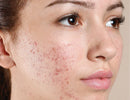
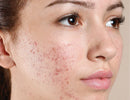
Winter often brings a visible change in skin tone and texture. Dry winds, low humidity, indoor heaters and reduced sunlight collectively make pigmentation appear deeper and more stubborn. People struggling with dullness, tan or uneven spots often notice that the skin looks more patchy during this season. If you're searching for how to remove dark spots on face, how to clear dark spots on face, or how to get rid of tan from face, understanding winter behaviour of skin becomes essential.
Winter is also the ideal season to fade away pigmentation. Lower UV exposure reduces the chances of recurring spots, and the skin responds better to brightening formulations. With the right winter-safe nourishment and a reliable pigmentation cream for face, you can achieve a visibly clearer and more even complexion.
Table of Contents
- Why Dark Spots Become More Visible in Winter
- The Importance of EffectiveWinter Skincare
- Choosing the Right Pigmentation Cream for Winter
- How Indus Valley Brightening Depigmentation Gel Helps in Getting Rid Of Pigmentation
- Understanding the Role of Hydration in Pigmentation Removal
- The Importance of Sun Protection in Winter Pigmentation Care
- Winter Lifestyle Habits That Support Clearer Skin
- Why Winter Is the Best Season to Reduce Pigmentation
- Visible Benefits of Using Indus Valley Brightening Depigmentation Gel
- FAQ's
Why Dark Spots Become More Visible in Winter
Pigmentation looks more pronounced in winter due to moisture loss. When the skin becomes dry, dead cells accumulate on the surface, making dark spots appear darker. The barrier weakens, leading to dullness and slow healing. Along with this, the cold environment slows down natural cell turnover. Understanding these changes helps you choose skin care products that brighten without stripping moisture.
The Importance of EffectiveWinter Skincare
Winter skincare revolves around protection, hydration and nourishment. Chemical loaded products or harsh acids can worsen pigmentation during this season. Instead of strong actives, the focus should remain on soothing, barrier-supportive ingredients that lighten spots gradually. Selecting a gentle pigmentation removal cream that improves clarity while keeping the skin moisturised is essential for consistent winter results.
Choosing the Right Pigmentation Cream for Winter

A winter-friendly pigmentation cream should be lightweight, hydrating and safe for daily use. It should brighten dull areas without causing sensitivity. This is where the Indus Valley Brightening Depigmentation Gel stands out. Its formulation is crafted to fade dark spots, reduce tan and even out the complexion while strengthening the skin barrier. The gel texture makes it suitable for all skin types, especially in cold weather when the skin needs moisture without heaviness. It penetrates easily, improving clarity and reducing the appearance of spots with regular use.
How Indus Valley Brightening Depigmentation Gel Helps in Getting Rid Of Pigmentation

This gel combines natural extracts and nutrient-rich botanicals known for improving skin tone. Each ingredient plays a specific role in reducing pigmentation, enhancing glow and supporting hydration making it one of the best creams for pigmentation for winter use.
How Natural Ingredients Make the Difference
Chemical loaded hair care products create short-term smoothness but weaken hair over time. Natural, plant-based formulations work with your scalp instead of fighting it. They contain nutrients that:
Cow Yogurt:Provides natural lactic acid that gently improves clarity and helps reduce tan. Unlike chemical exfoliants, yogurt offers a soft brightening effect suitable for winter dryness.
Mashobra Wild Honey:Locks moisture into the skin while soothing dry, irritated patches. Its healing properties support faster reduction in dullness and uneven tone.
Grape Seed Extract:Loaded with antioxidants, grape seed extract targets sun-induced spots and pigmentation. It protects the skin from environmental stress and promotes an even tone.
Wheat Germ Oil:Rich in Vitamin E, it deeply nourishes dry winter skin and strengthens the barrier. This helps the skin recover from pigmentation and maintain softness.
Tea Tree Oil:Prevents acne-related spots from becoming darker. It keeps pores clear and helps maintain an even complexion.
Together, these ingredients help reduce the visibility of dark spots while keeping the skin calm, hydrated and protected from winter-induced dullness.
Understanding the Role of Hydration in Pigmentation Removal
Dehydrated skin often looks patchy, rough and uneven. Maintaining moisture levels is essential for reducing pigmentation. Hydrated skin renews faster, making dark spots fade naturally over time. Using skincare products that blend brightening ingredients with moisturising botanicals is key for winter skincare. The presence of yogurt, honey and wheat germ oil in the Indus Valley depigmentation gel ensures this balance is maintained effortlessly.
The Importance of Sun Protection in Winter Pigmentation Care
Even though winter feels cold and cloudy, UV rays remain active enough to worsen pigmentation. Dark spots, tan and uneven tone return quickly if sun protection is ignored. A broad-spectrum sunscreen is essential alongside any pigmentation cream. Consistent protection prevents new spots from forming and allows existing ones to lighten faster.
Winter Lifestyle Habits That Support Clearer Skin
Winter often leads to reduced water intake, which slows down skin recovery. Consuming antioxidant-rich foods, staying hydrated and using gentle organic skincare products help restore clarity. Foods containing Vitamin C and Vitamin E, along with healthy fats, support cell repair and brighten the skin naturally. Lifestyle care combined with a nourishing depigmentation gel can significantly improve winter pigmentation concerns.
Why Winter Is the Best Season to Reduce Pigmentation
Cold weather offers an advantage less exposure to harsh sunlight. This allows depigmentation formulas to work more effectively. Skin irritation is minimal, and the healing process strengthens because the barrier stays calmer in winter. With consistent application of a suitable pigmentation cream for face, dark spots fade faster during this season compared to summer.