


















































Is Indus Valley Hair Colour Safe ?

Quick Listen
Short Summary Of The Blog
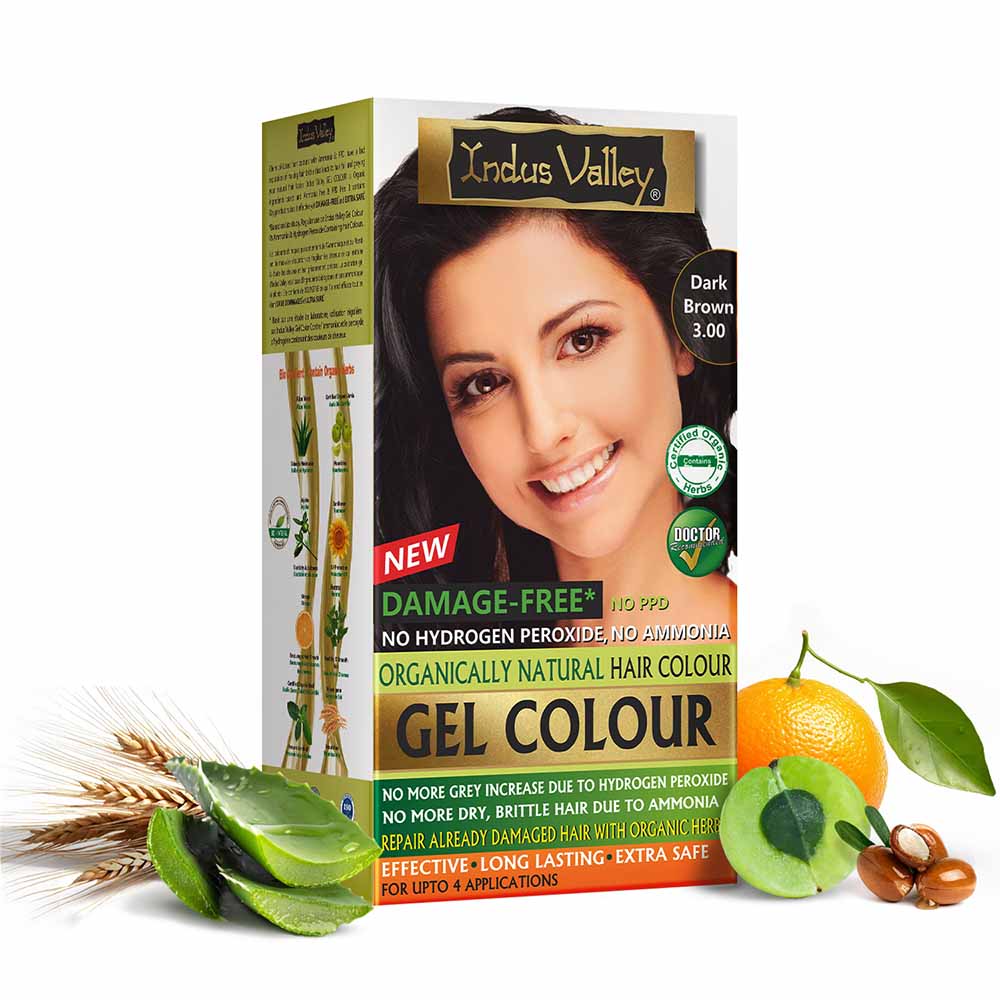
Indus Valley Hair Colour is a safer, plant-based alternative to chemical hair dyes, formulated with natural ingredients like Henna, Orange Oil, Aloe Vera, Amla, and Basil. Free from ammonia, PPD, hydrogen peroxide, and other harsh chemicals, it offers effective grey hair coverage while being gentle on the scalp and hair. The blog explores ingredients, safety, benefits of Indus Valley Hair Colour as comparison with chemical hair dyes, usage tips, and answers common questions to help users make an informed choice.
If you've been on the lookout for a safer alternative to chemical hair dyes, chances are you've come across Indus Valley Hair Colour. With its bold promise of being organic, plant-based, and free from harsh chemicals, it has caught the attention of thousands of health-conscious consumers. But is Indus Valley Hair Colour actually safe? Let's break it down — honestly and thoroughly.
Table of Contents
What Is Indus Valley Hair Colour?
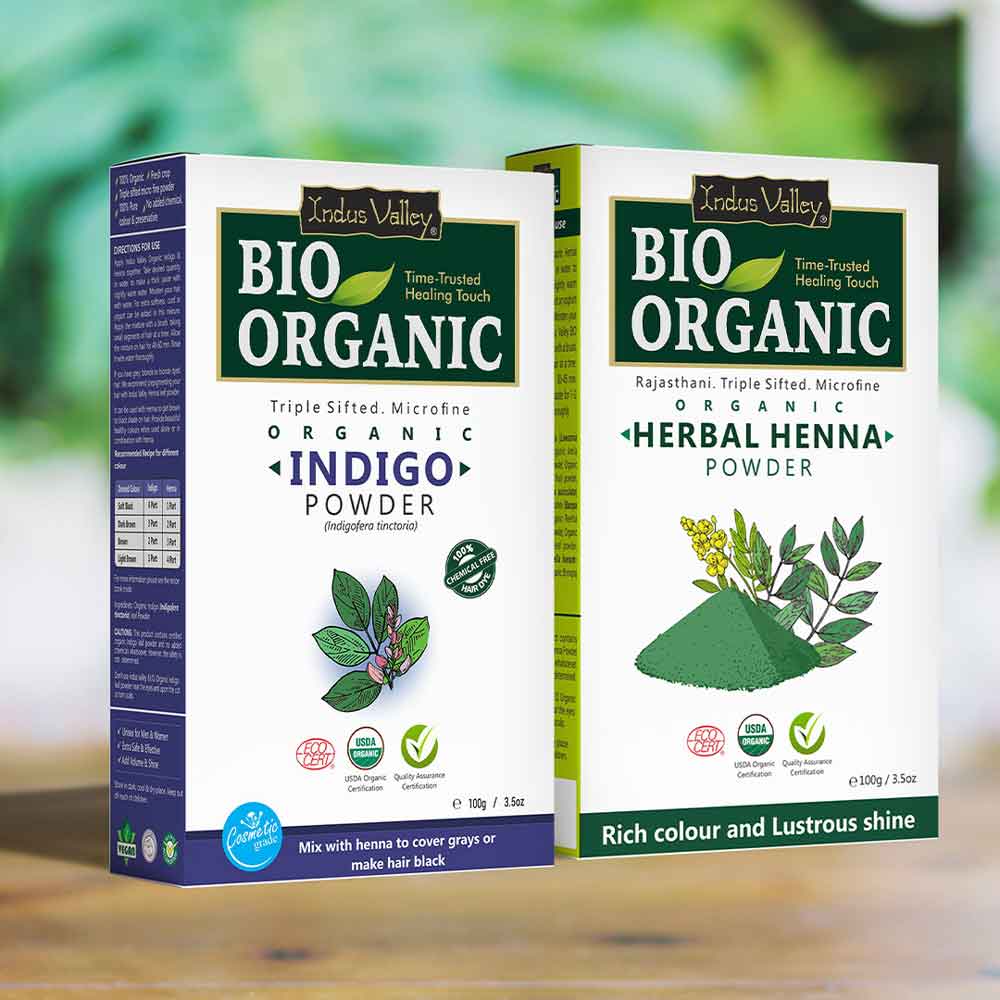
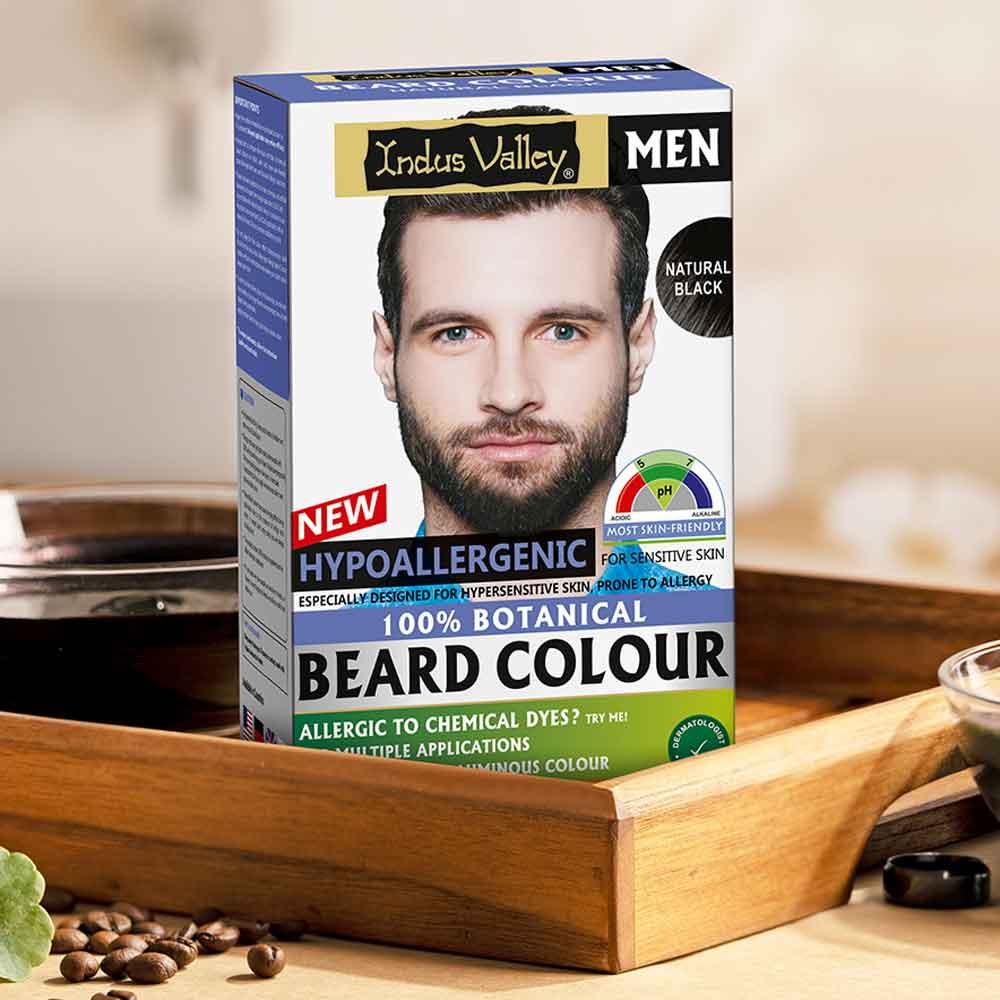
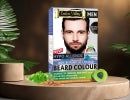
Indus Valley is an Indian brand that has carved a niche for itself in the organic beauty space. The hair colour range is formulated using botanical ingredients like henna, indigo, amla, and a blend of herbs. Unlike conventional hair dyes that rely on ammonia, hydrogen peroxide, and PPD (para-phenylenediamine) to penetrate the hair shaft and deposit synthetic pigment, Indus Valley takes a different and more natural path.
Key Ingredients That Make It Stand Out
1. Aloe Vera
Aloe Vera deeply hydrates dry, rough hair and leaves it feeling naturally soft and smooth. It also helps add a healthy-looking shine without weighing hair down.
2. Amla
Amla helps strengthen hair from the roots while adding natural volume and gloss. It's loved for keeping hair looking fuller, healthier, and vibrant over time.
3. Henna
Henna naturally conditions the hair while giving it a rich, healthy-looking appearance. It helps enhance shine and makes hair feel softer after every application.
4. Orange Oil
Orange Oil is rich in Vitamin C that helps bring life back to dull, tired-looking hair. It adds bounce, freshness, and a naturally radiant finish.
5. Sunflower Oil
Sunflower Oil helps tame frizz and keeps hair feeling smooth and manageable. It also supports scalp comfort while protecting hair from dryness.
6. Basil
Basil helps nourish the scalp and supports stronger-looking hair roots. It leaves the scalp feeling refreshed and promotes healthier hair overall.
7. Jojoba Oil
Jojoba Oil helps repair dry, damaged strands while soothing the scalp gently. It also helps reduce the appearance of split ends and roughness.
8. Wheat Germ Oil
Wheat Germ Oil deeply nourishes hair and helps protect it from daily environmental damage. It leaves hair feeling softer, smoother, and healthier-looking.
Who Can Safely Use Indus Valley Hair Colour?
- People looking to cover grey hairs naturally without chemical exposure.
- Those with sensitive scalps who've had reactions to conventional hair dyes.
- Pregnant or breastfeeding women who want to avoid ammonia-based products (though consulting a doctor first is advised).
- Anyone making a long-term transition to a cleaner beauty routine.
- Individuals with thinning hair who want to colour without further damage.
How Does It Compare to Chemical Hair Dyes?
When stacked against conventional dyes, Indus Valley holds up impressively well on the safety front. Traditional chemical hair dyes work by using ammonia to open the hair cuticle and hydrogen peroxide to bleach the natural pigment before depositing synthetic hair colour. This process can cause significant damage over time — leading to dryness, breakage, and even scalp sensitivity.
Indus Valley, by contrast, works by coating the outer layer of the hair shaft. This means the colour may not penetrate as deeply and might not last as long as chemical dye — typically 28 shampoos depending on hair porosity and shade selected.
Tips for Best Results
To get the most out of your Indus Valley Hair Colour experience, keep these tips in mind:
- Always perform a patch test before use.
- Mix the colour with lukewarm water for the right consistency.
- Apply on slightly damp, clean hair for better absorption.
- Leave it on for at least 30 to 45 minutes for deep colour penetration.
- Use a mild, sulphate-free shampoo post-colour to maintain the shade longer.