




























what are the differences between ammonia-free and traditional hair color?

Short Summary Of The Blog
"Choosing the right hair colour is no longer only about finding the perfect shade—more people today are checking what is inside their hair dye and how repeated colouring affects their hair and scalp. Traditional permanent dyes use ammonia with an oxidising agent like hydrogen peroxide to open the cuticle and alter natural pigment, while ammonia-free colours remove ammonia but may still contain peroxide or PPD. Indus Valley Damage-Free Gel Hair Colour goes a step further—formulated without ammonia, PPD and hydrogen peroxide, enriched with 8 herbs, it covers grey hair at home in around 35 minutes, lasts up to 28 shampoos and comes in six elegant shades."
Table of Contents
- Why Is Ammonia Used In Traditional Hair Colour?
- How Are Ammonia-Free And Traditional Hair Colours Different?
- How Is Indus Valley Damage-Free Gel Hair Colour Different?
- How Herbal Ingredients Make Hair Colouring More Hair-Friendly?
- How Long Does Indus Valley Damage-Free Hair Colour Last?
- When Should You Choose Ammonia-Free Hair Colour?
- What Makes Indus Valley A Different Choice For Grey Hair Coverage?
- What Is The Final Difference Between Ammonia-Free And Traditional Hair Colour?
- FAQ's
Choosing the right hair colour is no longer only about finding the perfect shade. More people today are also checking what is inside their hair dye and how repeated colouring may affect their hair and scalp. This has created growing interest in ammonia-free hair colour and PPD-free hair dye.
So, what is the real difference between ammonia-free and traditional hair colour?
Traditional permanent hair dyes commonly use ammonia together with an oxidising agent such as hydrogen peroxide to help open the hair cuticle, lighten the existing pigment and deposit a new colour. An ammonia-free hair colour does not use ammonia, but that does not necessarily mean it is free from hydrogen peroxide, PPD or other colouring agents. This distinction is important when you are looking for a genuinely gentler way to cover grey hair.
Why Is Ammonia Used In Traditional Hair Colour?
Ammonia is an alkaline ingredient traditionally used in permanent hair dye to raise the pH of the hair. This causes the outer cuticle layer to swell, allowing colouring ingredients to penetrate deeper into the hair shaft. Traditional hair colouring may also use hydrogen peroxide or another developer to oxidise the natural pigment before the new colour develops.
This process can provide dramatic colour changes and long-lasting results. However, repeatedly opening the hair cuticle and altering natural pigment may leave some people experiencing:
- Dryness
- Roughness
- Brittleness
- Hair breakage, particularly when colouring is done frequently
The strong smell commonly associated with conventional permanent hair dye is also often linked with ammonia.
How Are Ammonia-Free And Traditional Hair Colours Different?
| Feature | Traditional Hair Colour | Ammonia-Free Hair Colour |
|---|---|---|
| Ammonia | Commonly present | Not present |
| Strong Ammonia Smell | Often noticeable | Usually reduced |
| Hydrogen Peroxide | Frequently used | May still be present |
| PPD | May be present | Can still be present |
| Hair Cuticle Action | Opens cuticle for colour penetration | Depends on formulation |
| Natural Pigment Alteration | Can occur, especially with peroxide | Depends on developer used |
| Dryness Risk | Can be higher with repeated chemical processing | Often positioned as gentler |
| Grey Coverage | Usually effective | Depends on formulation |
| Best Choice | Major colour changes and permanent colouring | People wanting to avoid ammonia |
How Is Indus Valley Damage-Free Gel Hair Colour Different?
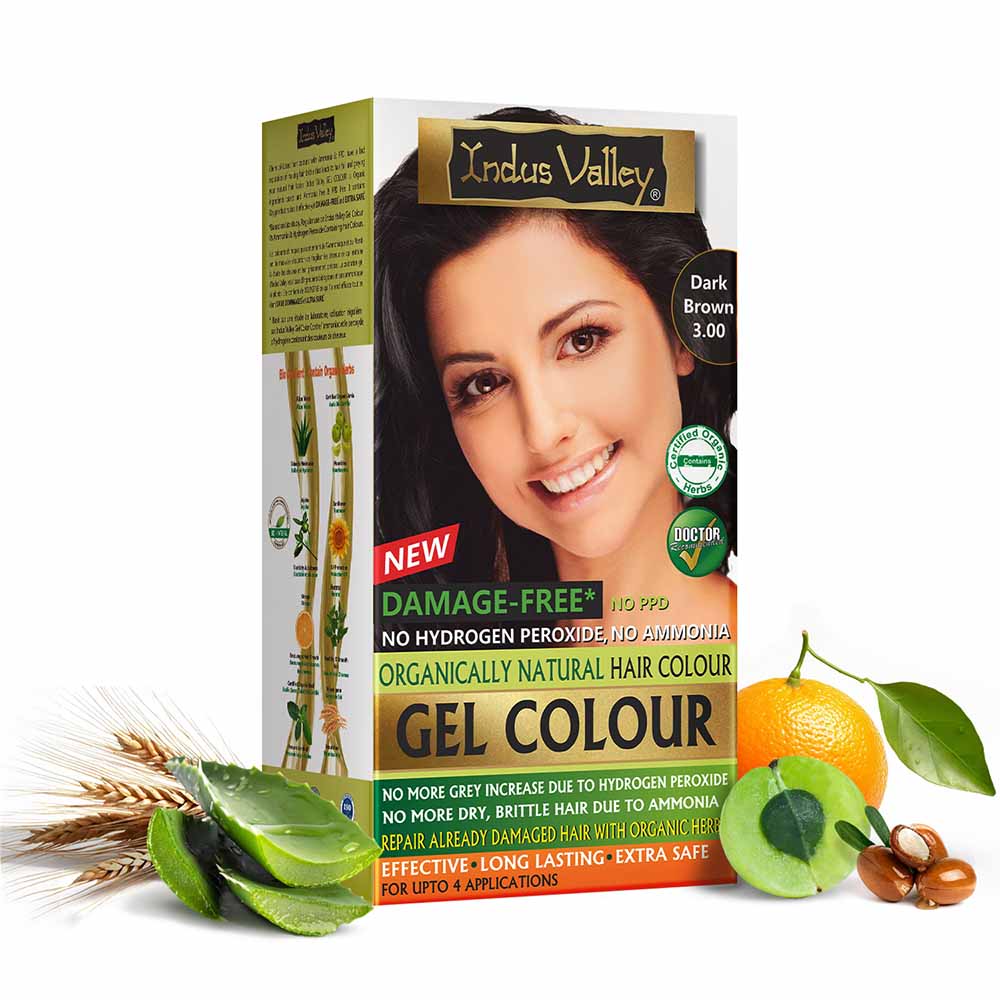
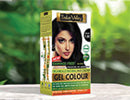
Indus Valley Damage-Free Organic Hair Colour is a gel-based hair colour developed for people who want grey hair coverage without the conventional ammonia-peroxide colouring process. Its formula is enriched with 8 herbs and is free from three ingredients commonly associated with conventional permanent hair colouring:
- No Ammonia
- No PPD
- No Hydrogen Peroxide
Because there is no hydrogen peroxide or bleaching agent in the formulation, the product is designed to colour grey hair without bleaching the existing natural hair pigment. This makes it particularly relevant for people searching online for terms such as hair colour without ammonia, PPD-free hair colour, hair colour without peroxide, natural hair dye for grey hair and organic hair colour for grey coverage.
How Herbal Ingredients Make Hair Colouring More Hair-Friendly?
Repeated chemical processing can leave hair feeling dry, especially when the hair fibre is regularly exposed to strong alkalising and oxidising ingredients. Indus Valley takes a different approach by combining its gel colour base with 8 plant-derived herbs and botanical ingredients. Rather than focusing only on changing the appearance of the hair, the formulation is designed to provide colouring alongside conditioning care.
For someone who colours regularly to cover greys, this distinction matters. Hair colouring becomes part of a long-term routine, so choosing a formula that does not unnecessarily bleach the naturally pigmented sections of your hair can help maintain a healthier-looking finish.
How Long Does Indus Valley Damage-Free Hair Colour Last?
Convenience is another reason people choose permanent chemical hair dyes, but a gentler routine does not necessarily have to be complicated.
- Colours In Around 35 Minutes: Indus Valley Damage-Free Gel Hair Colour can be applied at home in around 35 minutes, making it practical for people who want quick grey coverage without frequent salon visits.
- Lasts Up To 28 Shampoos: Depending on individual hair type, washing frequency and hair-care routine, its colour can last for up to 28 shampoos.
- 6 Elegant Shades: The range allows users to choose a shade closer to their natural hair or experiment with a different look.
- Vegan & Cruelty-Free: It is positioned as a vegan and cruelty-free hair colour, making it suitable for consumers who prefer more conscious beauty choices.
When Should You Choose Ammonia-Free Hair Colour?
An ammonia-free option can be worth considering if you want to avoid ammonia's strong smell or prefer a different colouring system. If you specifically want to reduce exposure to ingredients commonly found in oxidative permanent dyes, check whether the formula is also PPD-free and hydrogen peroxide-free.
For people mainly concerned about covering grey hair rather than lightening naturally dark hair, a no-bleach approach such as Indus Valley Damage-Free Gel Hair Colour may be more aligned with their needs.
What Makes Indus Valley A Different Choice For Grey Hair Coverage?
Indus Valley Damage-Free Gel Hair Colour combines the convenience of home hair colouring with a formulation developed around gentler grey coverage.
Its key benefits include:
- Grey hair coverage without ammonia
- No PPD
- No hydrogen peroxide or bleaching agent
- Does not require bleaching naturally pigmented hair
- Enriched with 8 herbal ingredients
- Easy home application in approximately 35 minutes
- Colour can last for up to 28 shampoos
- Available in six shades
- Vegan and cruelty-free formulation
For anyone searching for the best hair colour without ammonia, it is therefore important not to stop at the words “ammonia-free”. Compare the complete colouring system.
What Is The Final Difference Between Ammonia-Free And Traditional Hair Colour?
Traditional hair dyes are generally designed to penetrate and alter the hair using an alkaline agent and an oxidising developer. They are effective for dramatic colour changes but can involve ingredients such as ammonia, PPD and hydrogen peroxide. Ammonia-free hair colours remove ammonia from that equation, but some may still contain other oxidative colouring ingredients. Indus Valley Damage-Free Organic Hair Colour goes a step further by being formulated without ammonia, PPD and hydrogen peroxide, while offering convenient grey coverage through a gel-based, herb-enriched formula.
So, if your priority is simply changing your hair colour dramatically, a conventional permanent dye may offer more options. But if your primary goal is covering grey hair while avoiding ammonia, PPD and bleach, choosing a thoughtfully formulated natural hair colour for grey hair can provide a more suitable route to beautiful-looking colour without unnecessarily altering your naturally pigmented strands.