

































What Are the Long-Term Side Effects of Using PPD For Hair Colouring ?

Short Summary Of The Blog
"PPD (para-phenylenediamine), commonly used in permanent hair dyes, can cause long-term side effects such as skin pigmentation, white hair patches, allergic reactions, scalp inflammation and hair loss. Repeated use of conventional oxidative hair dyes may also lead to dryness, breakage and, in rare cases, severe allergic reactions. This blog explores six potential side effects of PPD-based hair dyes and introduces Indus Valley Damage Free Hair Colour, enriched with eight botanical ingredients and free from PPD, ammonia and added hydrogen peroxide, as an alternative for more conscious hair colouring."
Hair colouring has become an integral part of personal grooming, whether it is used to cover grey hair or enhance one's natural appearance. However, the ingredients present in conventional hair dyes deserve greater attention, particularly when these products are used regularly. One such ingredient is para-phenylenediamine (PPD), a chemical compound widely used in permanent hair colours. Although PPD delivers intense and long-lasting hair colour, scientific research has associated its exposure with several dermatological complications, including allergic reactions, skin pigmentation, depigmented hair patches and inflammation-related hair loss. Understanding the long-term side effects of PPD is essential for making informed hair colouring decisions.
Table of Contents
What Is PPD, and Why Is It Used in Hair Dyes?
Para-phenylenediamine (PPD) is a synthetic aromatic amine commonly used in oxidative hair dyes. When combined with an oxidizing agent such as hydrogen peroxide, it undergoes chemical reactions that produce colour molecules within the hair shaft, providing lasting colour and effective grey hair coverage.
Despite its effectiveness, PPD is a recognized contact allerge. According to a scientific review published in Clinical, Cosmetic and Investigational Dermatology, PPD is one of the major causes of allergic reactions associated with hair colouring. Repeated exposure can sensitize the immune system, meaning that individuals who have used the same chemical hair dye for years without complications may eventually develop an allergic reaction.
6 Long-Term Side Effects of Using PPD-Based Hair Dyes
1. Skin Pigmentation and Dark Patches

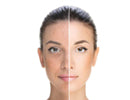
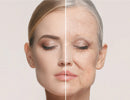
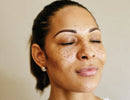
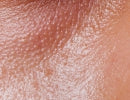
One of the concerning dermatological complications associated with PPD-containing hair dyes is abnormal skin pigmentation. Repeated exposure can trigger inflammatory reactions that disrupt normal pigmentation. This may result in post-inflammatory pigmentation, a condition characterized by the development of darker patches following skin inflammation. These patches may appear around the forehead, hairline, ears, temples, face and neck. In some individuals, discolouration can persist even after the original inflammation has resolved.
2. White Patches on Hair and Scalp

PPD exposure has also been associated with chemical leukoderma, a dermatological condition involving the loss of natural skin pigmentation. Certain chemicals may damage melanocytes, the specialized cells responsible for producing melanin, which gives hair and skin their natural colour. When pigmentation within hair follicles is affected, localised patches of white hair, medically known as leukotrichia, may also develop.
3. Allergic Contact Dermatitis and Lifelong Sensitivity

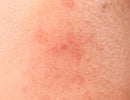
Allergic contact dermatitis is one of the most extensively documented side effects of PPD exposure. PPD can interact with skin proteins, triggering a delayed immune response in sensitised individuals. This reaction is medically classified as type IV hypersensitivity. Common symptoms include persistent itching, redness, burning sensations, swelling, blistering and inflammation around the scalp and hairline. According to DermNet's research-based overview of PPD contact allergy, subsequent exposure may trigger increasingly severe reactions in sensitised individuals. Once a PPD allergy develops, sensitivity is likely to be lifelong.
4. Hair Loss and Reduced Hair Density

Prolonged or severe scalp inflammation resulting from PPD allergy may interfere with the normal hair growth cycle. Inflammatory stress can cause hair follicles to enter their resting phase prematurely, resulting in excessive shedding, medically known as telogen effluvium. A clinical case study published in 2011 documented extensive scalp hair loss in a 41-year-old woman following the application of a PPD-containing hair dye. Although such severe cases are uncommon, they demonstrate how hair dye-induced inflammation can adversely affect hair density and scalp health.
5. Hair Dryness, Breakage and Structural Damage

Conventional oxidative hair dyes frequently combine PPD with ammonia and hydrogen peroxide to achieve long-lasting colour. Repeated oxidative colouring can damage the protective hair cuticle and alter the lipid layer responsible for maintaining hair smoothness and moisture. According to a scientific review published in the Indian Journal of Dermatology, Venereology and Leprology, hair dye use has been associated with several adverse effects involving the hair shaft and scalp. Over time, repeated oxidative colouring may contribute to increased hair porosity, rough texture, split ends, brittleness and breakage. However, these structural changes are primarily associated with the overall oxidative formulation rather than PPD alone.
6. Severe Allergic and Respiratory Reactions

Although uncommon, PPD exposure can trigger serious allergic complications, including facial swelling, angioedema, respiratory difficulties and anaphylaxis. Hairdressers and salon professionals may face additional risks due to frequent occupational exposure to hair dye ingredients. The National Health Service (NHS) warns that hair dye reactions can occasionally become life-threatening. Individuals experiencing breathing difficulties or swelling of the tongue or throat following hair dye application require immediate medical attention.
Indus Valley Hair Colour: A Safer Alternative to PPD-Based Hair Colours

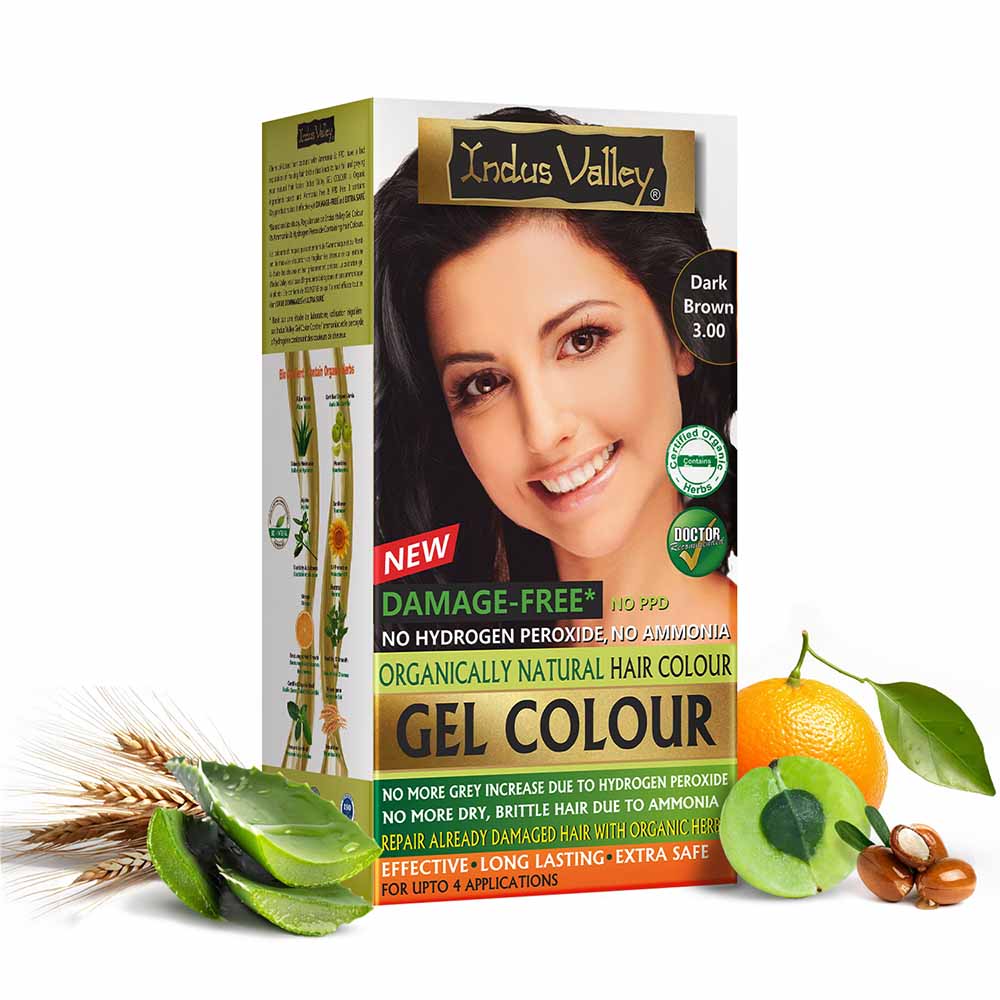
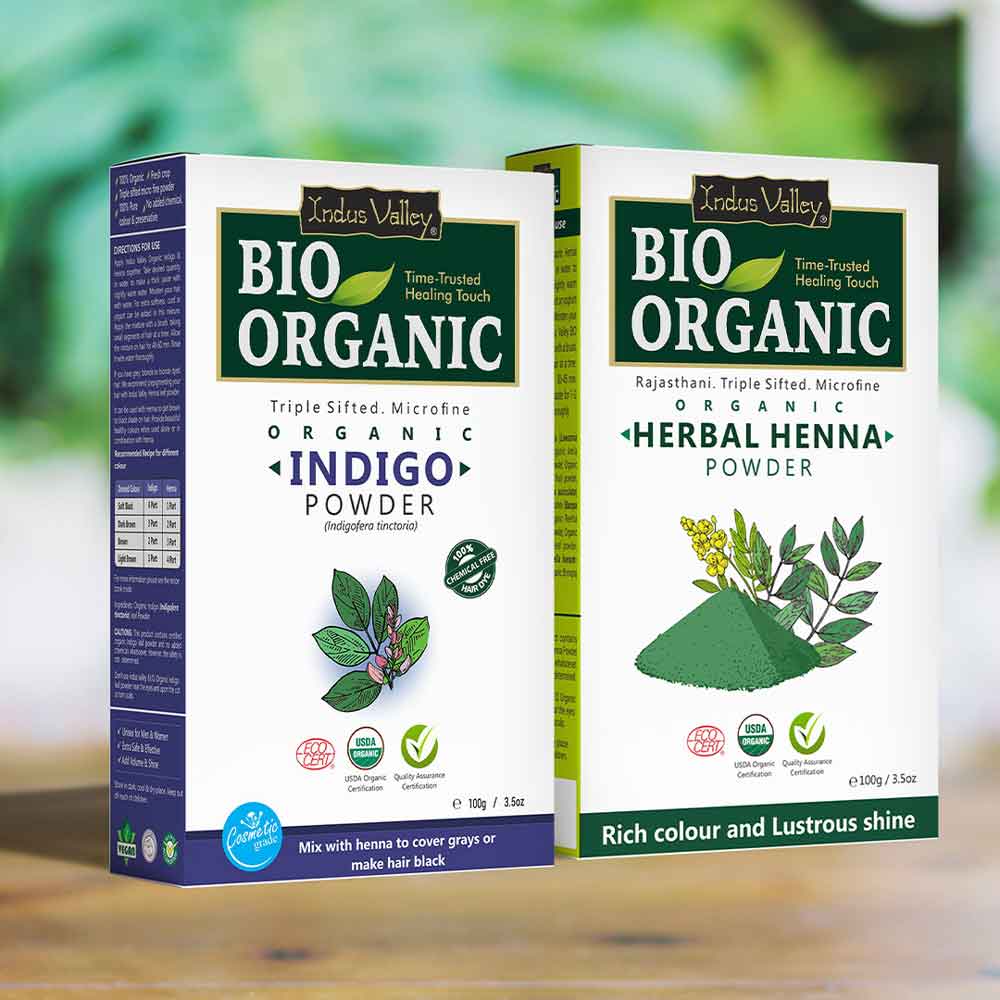
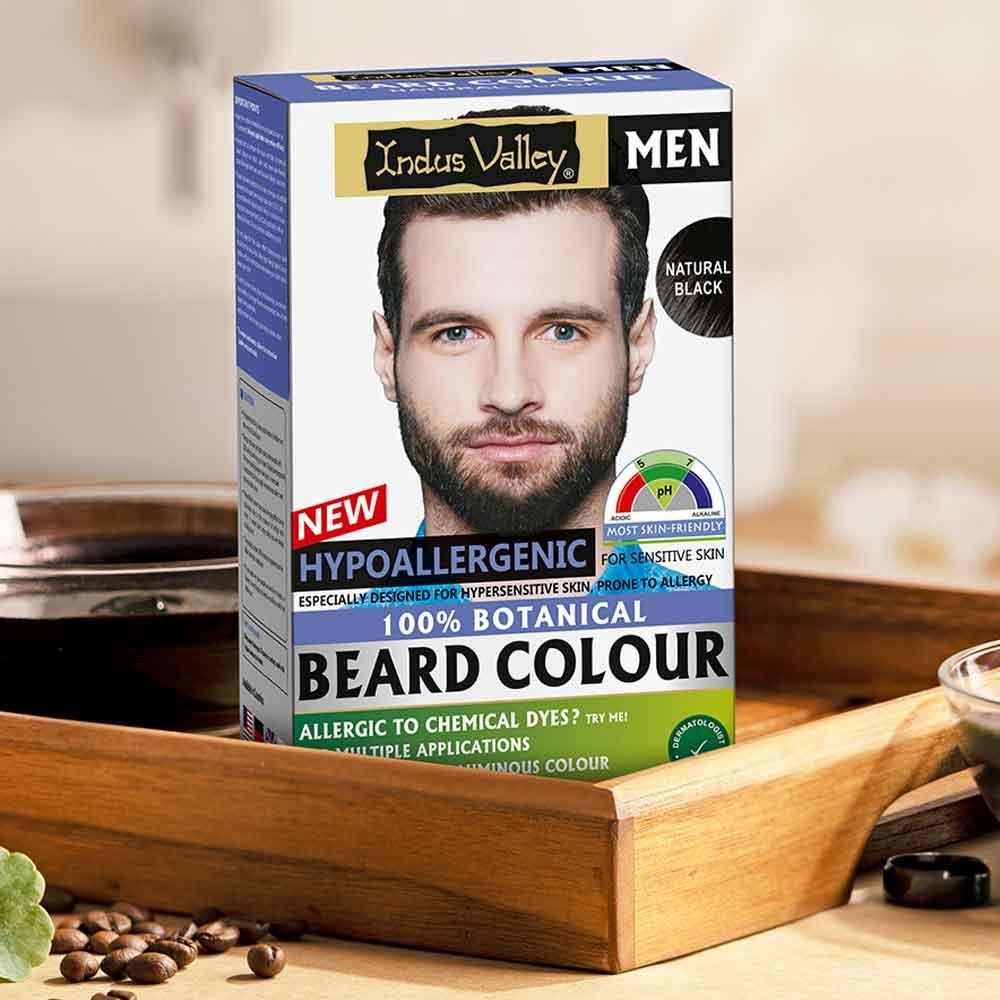
Reducing exposure to PPD and conventional bleaching ingredients is a practical approach towards more conscious hair colouring. Indus Valley Damage Free Hair Colour offers an alternative for individuals looking to avoid PPD, ammonia and added hydrogen peroxide while maintaining effective grey hair coverage. Indus Valley is India's only organic and natural hair colour offering this particular combination of formulation benefits:
- Free from PPD, ammonia and added hydrogen peroxide.
- Enriched with eight botanical ingredients.
- Long-lasting colour that stays for up to 28 shampoos.
- Formulated to provide complete grey hair coverage.
- Contains botanical ingredients such as Aloe Vera, Amla, Henna, Basil, Orange Oil, Sunflower Oil, Wheat Germ Oil and Jojoba Oil.
- Vegan and cruelty-free formulation.