


































Why Chemical Hair Colour Causes Itching (And what are the Safe Alternatives)

Quick Listen
Short Summary Of The Blog
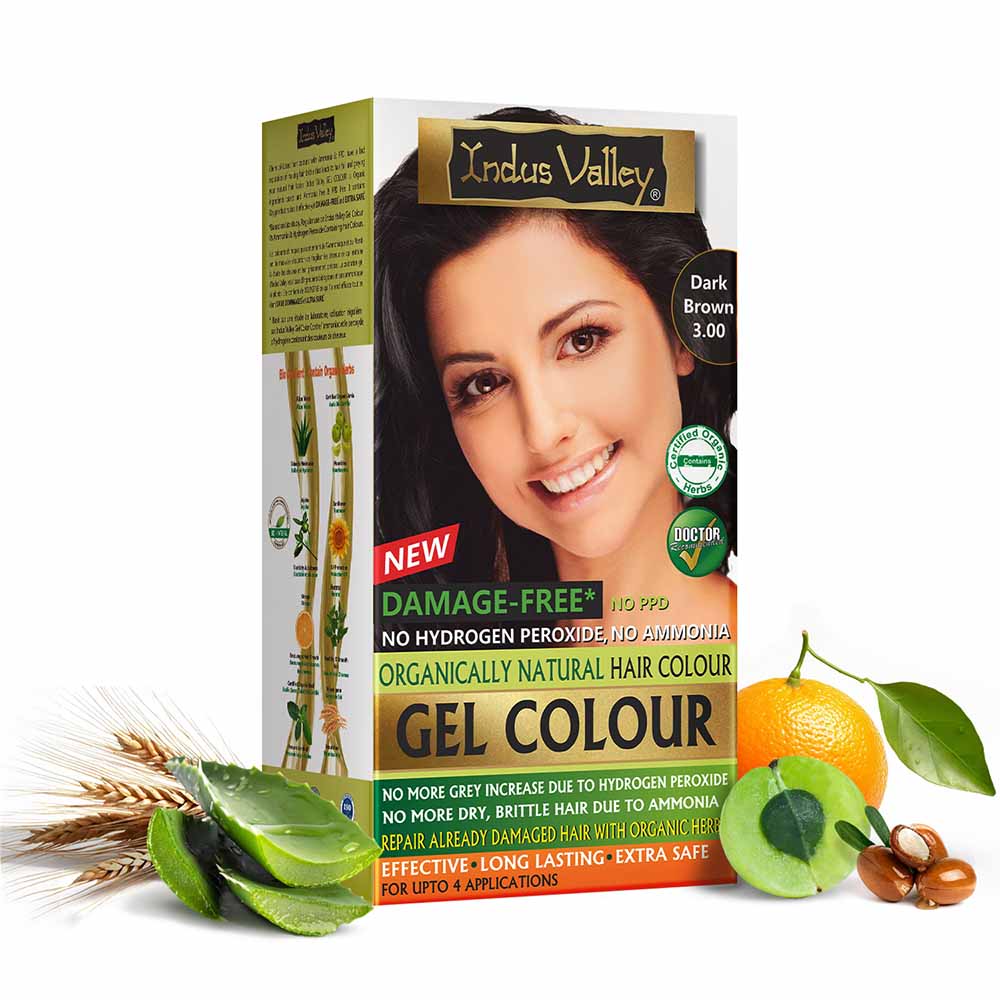
"Chemical hair colours often cause itching, irritation, and dryness because they contain harsh ingredients like PPD, ammonia, and hydrogen peroxide. With repeated use, these chemicals weaken the scalp barrier, leading to issues like dandruff and hair fall. Switching to natural or organic hair colour is a safer option, as it works gently without disturbing the scalp. A solution like Indus Valley Damage-Free Hair Colour offers effective grey coverage while avoiding common irritants, giving you long-lasting colour with a more comfortable, scalp-friendly experience."
Hair colour is supposed to make you feel good, a quick upgrade. But for a lot of people, the experience doesn’t end that way. Instead, it starts with slight itching then irritation and sometimes even a burning feeling on the scalp.
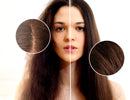
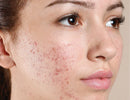
Most people ignore it at first. “Thoda sa itching toh hota hi hai,” they think. But honestly, that’s not normal. It’s your scalp reacting to something it doesn’t like. If you’ve ever noticed your scalp feeling uncomfortable after colouring, or if you’ve searched things like “hair dye se itching kyun hoti hai”, then you’ve already seen this problem first-hand. And the thing is—it doesn’t stay small. With repeated use, that slight irritation can turn into dryness, flakiness, dandruff, or even hair fall. So instead of just managing the problem every time, it makes sense to understand what’s causing it and how you can avoid it completely.
Table of Content
- Why Chemical Hair Colour Causes Itching on Your Scalp
- How to Prevent Hair Colour Itching and Protect Your Scalp
- Chemical Hair Colour vs Natural Hair Colour (What Really Changes for Your Scalp?)
- Why Indus Valley Damage-Free Hair Colour Works
- Why Natural Organic Hair Colour is Better for Your Scalp
- FAQ's
Why Chemical Hair Colour Causes Itching on Your Scalp
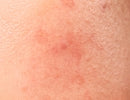
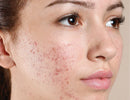
The main issue with most chemical hair colours is how they work. They are made to give quick, strong results, and for that, they use ingredients that are quite harsh on the scalp. When you apply a chemical hair dye, it doesn’t just sit on your hair. It opens the hair layer and pushes colour inside. In this process, your scalp also comes in contact with chemicals like PPD, ammonia, and hydrogen peroxide. Now, these ingredients are known to disturb the scalp’s natural balance. Instead of staying hydrated and protected, your scalp becomes dry and sensitive. That’s when you start feeling itching or irritation.
You might notice things like:
- Itching right after applying colour
- Slight burning or tingling feeling
- Dry or flaky scalp after a few days
- Hair feeling rough or weak
The bigger problem is repetition. The more often you use such hair dyes, the more sensitive your scalp becomes. Many people who never had any issue earlier suddenly start reacting to hair colour—and this is the reason behind it.
How to Prevent Hair Colour Itching and Protect Your Scalp
If you colour your hair regularly, you don’t need to stop completely. But you do need to be a bit more careful. A few small habits can actually make a big difference. First, don’t skip the patch test. It feels like an extra step, but it can save you from a lot of trouble. Second, avoid colouring too frequently. Your scalp needs time to recover. If you keep exposing it again and again, it will naturally become more sensitive. Also, don’t ignore early signs. If you feel itching or dryness after colouring, that’s already a signal that something isn’t working for you.
Here are a few simple things you can follow:
- Always test the product before full application
- Keep enough gap between colouring sessions
- Avoid combining colour with other chemical treatments
- Rinse your scalp properly after use
- Pay attention to how your scalp feels after colouring
Chemical Hair Colour vs Natural Hair Colour (What Really Changes for Your Scalp?)
| Aspect | Chemical Hair Colour | Natural / Organic Hair Colour (e.g., Indus Valley) |
|---|---|---|
| How it Works | Opens hair cuticle aggressively to deposit colour deep inside | Works gently on hair surface while supporting overall hair condition |
| Scalp Reaction | Often causes itching, burning, or irritation | Feels calm and comfortable during and after use |
| Key Ingredients | Contains PPD, ammonia, hydrogen peroxide | Free from harsh chemicals that trigger irritation |
| Impact on Scalp Barrier | Weakens natural scalp protection over time | Helps maintain natural scalp balance |
| After-Use Feel | Dry, tight, or sensitive scalp | Soft, balanced, and less irritated scalp |
| Grey Coverage Approach | Fast but harsh penetration-based colouring | Effective coverage with a gentler process |
| Hair Texture Over Time | Can make hair rough, dry, and weak | Helps maintain smoother, healthier-looking hair |
| Frequency of Use Needed | Frequent touch-ups due to damage and fading | Long-lasting results (up to 28 washes), fewer applications |
| Risk of Dandruff & Hair Fall | Higher due to dryness and root damage | Lower as scalp remains balanced and supported |
| Ease of Application | Multi-step, sometimes complex | Simple, single-step gel-based application |
| Long-Term Hair Health | Focuses only on colour, often damages hair | Balances colour + care for better long-term results |
| Suitability | Not ideal for sensitive scalp users | Suitable for regular use, even for sensitive scalp |
Why Indus Valley Damage-Free Hair Colour Works
1. Free from ammonia, PPD, and hydrogen peroxide
These are the main ingredients that usually cause itching and irritation. Since they’re not present, the scalp feels much calmer during and after use.
2. Powered by 8 organic herbs for nourishment
Instead of leaving your hair dry, it actually helps improve how your hair feels over time.
3. Designed specifically for premature grey hair coverage
It works well for early greying, giving a more natural-looking result without being too harsh.
4. Provides 100% grey hair coverage in around 35 minutes
So you don’t have to compromise on results while choosing a safer option.
5. Long-lasting results (up to 28 washes)
The colour stays for a good duration, which means you don’t have to apply it again and again.
6. Easy, single-step gel application
Also, Indus Valley hair colour does not contain hydrogen peroxide, PPD, or ammonia, which is why many people find it much more comfortable on the scalp. With regular use, it also doesn’t lead to common issues like dandruff or unnecessary hair fall that are often linked with chemical dyes.
Why Natural Organic Hair Colour is Better for Your Scalp
Once people switch to natural hair colour, the first thing they notice is how their scalp feels. There’s no burning, no itching—just a much calmer experience overall. That’s because natural hair colour doesn’t disturb your scalp the way chemical dyes do. It works more gently and keeps things balanced