












































Why Hard Water Fades Hair Colour and How to Protect Coloured Hair

Short Summary Of The Blog
"Hard water can make coloured hair look dull, rough and faded because it contains dissolved minerals like calcium and magnesium that accumulate on hair strands. These deposits can affect shine, texture and the appearance of your hair colour, especially after repeated washing. If your freshly coloured hair starts losing its rich shade sooner than expected, the water you use may be one contributing factor. The good news is that a few changes to your hair-washing routine can help protect coloured hair from hard water and maintain its softness and vibrancy."
Table of Contents
- What Is Hard Water And How Does It Affect Hair?
- Why Does Hard Water Make Hair Colour Fade Faster?
- Choosing The Right Hair Colour For Your Hair Care Routine
- Signs Hard Water May Be Affecting Your Coloured Hair
- How To Protect Coloured Hair From Hard Water
- Hard Water Vs Soft Water: What's The Difference For Coloured Hair?
- Simple Hair Colour Care Routine For Long-Lasting Results
- FAQ's
What Is Hard Water And How Does It Affect Hair?
Hard water contains higher concentrations of dissolved calcium and magnesium. When you wash your hair regularly, some of these minerals can collect on the hair shaft.
Over time, mineral deposits may make hair feel:
- Rough or dry, even after conditioning.
- Less shiny than freshly coloured hair.
- Difficult to detangle and manage.
- Heavy or coated after shampooing.
- Dull, particularly through the mid-lengths and ends.
Why Does Hard Water Make Hair Colour Fade Faster?
Hard water doesn't necessarily remove hair dye directly. Instead, mineral buildup can change how coloured hair looks and feels, while repeated washing contributes to gradual colour loss.
1. Mineral Buildup Reduces Shine
Calcium and magnesium deposits can accumulate around the hair cuticle. This may create an uneven surface, reducing how smoothly light reflects from the hair. As a result, rich black, brown or burgundy hair colour can appear duller than before.
2. Coloured Hair Can Absorb More Minerals
Some colouring processes change the hair's surface structure. Depending on the condition of the hair, this can increase its tendency to bind minerals from water. This makes maintaining healthy-looking coloured hair particularly important.
3. Frequent Washing Gradually Removes Colour
Every wash exposes coloured hair to water, shampoo and friction. Repeated washing can gradually reduce colour intensity, particularly with less permanent dyes. Hot water and harsh cleansing routines may make the problem more noticeable.
4. Dryness Makes Colour Look Less Vibrant
When hair feels rough and lacks smoothness, even a beautiful shade can lose its glossy appearance.
Conditioning helps improve the hair's surface feel, making coloured hair look smoother and more radiant.
Choosing The Right Hair Colour For Your Hair Care Routine

Choosing a suitable hair colour is just as important as caring for it afterwards.
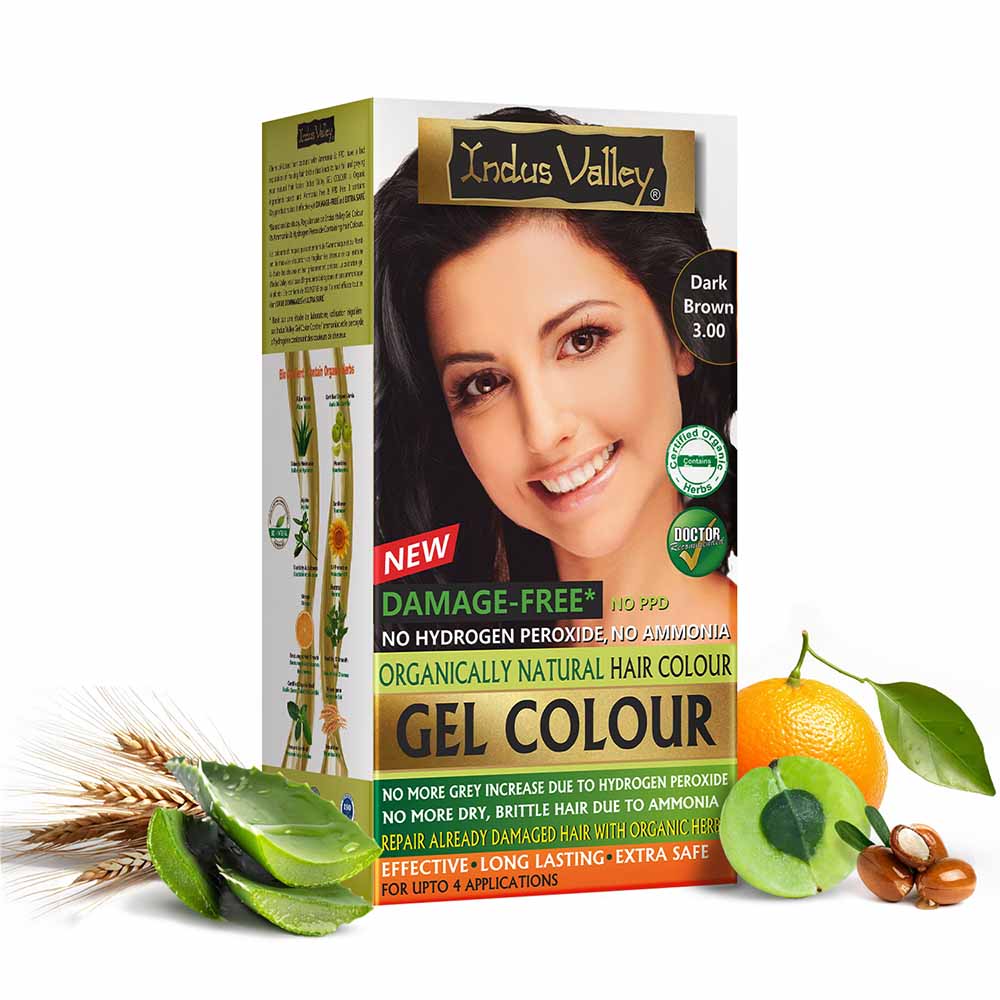
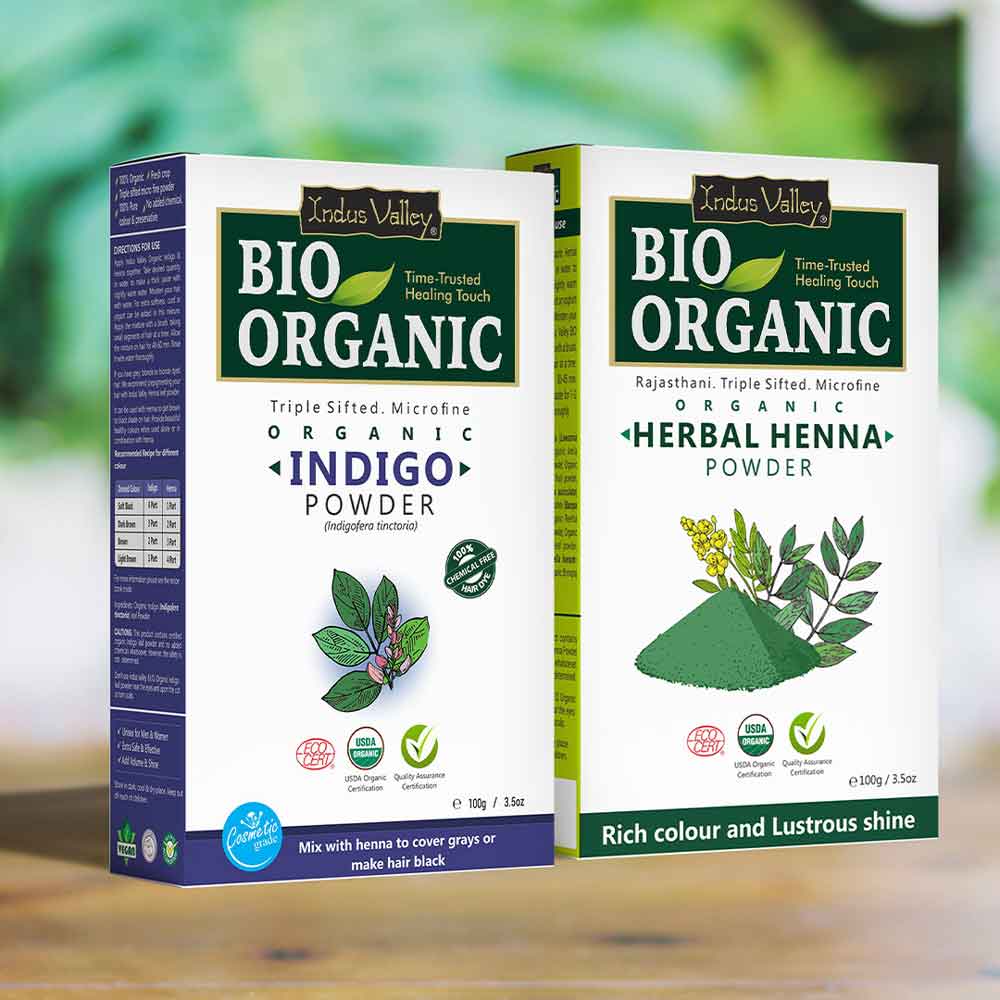
Indus Valley Damage-Free Gel Hair Colour offers a range of shades for different colour preferences, including:
- 1.00 Black: For a classic, deep black appearance.
- 3.00 Dark Brown: For a rich, natural-looking dark brown shade.
- 4.00 Medium Brown: For a balanced brown finish.
- 5.00 Light Brown: For a softer, lighter brown look.
- 3.60 Burgundy: For a bold, reddish-purple appearance.
- 5.40 Copper Mahogany: For a warm, copper-brown finish.
The formulation features ingredients such as Aloe Vera, Amla, henna, sunflower oil, jojoba oil, orange oil, basil and wheat germ oil, which contribute to its hair-conditioning positioning.
Signs Hard Water May Be Affecting Your Coloured Hair
Not sure whether hard water is part of your hair colour problem?
Look for these signs:
- Hair colour appears dull shortly after washing.
- Hair feels stiff or tangled despite using conditioner.
- Shampoo struggles to lather properly.
- White mineral deposits appear on bathroom taps or showerheads.
- Hair feels coated or unusually rough.
How To Protect Coloured Hair From Hard Water
1. Use A Shampoo Suitable For Coloured Hair
Choose a gentle shampoo formulated for colour-treated hair. Avoid unnecessary over-washing, as frequent shampooing can contribute to gradual colour loss. Indus Valley Colour Protective Shampoo can be included in a post-colouring routine according to its label instructions.
2. Use Lukewarm Water Instead Of Hot Water
Very hot water can leave hair feeling dry and make the washing process harsher. Use lukewarm water while shampooing and rinsing to help maintain hair comfort and manageability.
3. Reduce Mineral Exposure
If your household has hard water, consider testing its hardness. A suitable water-softening system can reduce calcium and magnesium. Remember that an ordinary shower filter may not soften water unless it is specifically designed for hardness reduction.
4. Try A Chelating Shampoo Occasionally
Chelating shampoos contain ingredients designed to bind certain metal ions and help remove mineral deposits. Use one compatible with coloured hair when needed rather than making it your everyday cleanser.
5. Condition After Every Wash
A good conditioner helps smooth the hair surface, improve manageability and reduce friction during detangling. For additional care, use a suitable hair mask periodically to support softer, healthier-looking hair.
6. Minimize Excessive Heat Styling
Frequent use of straighteners, curling tools and high-temperature blow-drying can contribute to dryness and affect colour appearance. Use heat-protection products and lower styling temperatures whenever possible.
Hard Water Vs Soft Water: What's The Difference For Coloured Hair?
| Factor | Hard Water | Soft Water |
|---|---|---|
| Mineral Content | Higher calcium and magnesium | Lower calcium and magnesium |
| Mineral Buildup | Greater potential for deposits | Lower potential for deposits |
| Hair Texture | May feel rough or coated | Often easier to manage |
| Hair Shine | Buildup may reduce shine | Less mineral-related dullness |
| Colour Appearance | May appear less vibrant | Less affected by mineral deposits |
Simple Hair Colour Care Routine For Long-Lasting Results
If you want to maintain your hair colour for longer, follow these practical habits:
- Wash hair only as often as necessary.
- Choose a shampoo and conditioner suitable for coloured hair.
- Avoid very hot water during washing.
- Remove mineral buildup when needed.
- Protect your hair from excessive sun exposure.
- Limit frequent heat styling.
- Follow the recommended processing time and aftercare instructions when colouring.
Frequently Asked Questions