















































Why Indus Valley Damage Free Hair Colour Is the Best Choice for Valentine’s Week ?

Quick Listen
Short Summary Of The Blog
"Valentine’s Week is the perfect time to refresh your look in a way that feels good and lasts beyond the celebration. Indus Valley Damage-Free Hair Colour proves that you don’t have to choose between beauty and hair health. If you’re looking for an organic hair colour that delivers natural results, this is a choice you can trust."
Valentine’s Week has a way of making us pause and look at ourselves a little more closely. It’s not always about impressing someone else—sometimes it’s simply about feeling good in your own skin. A fresh outfit, a new lipstick, or even a subtle change in hair colour can lift confidence in ways nothing else does.
But when it comes to colouring hair, the question is no longer just what shade to choose. It’s how that colour treats your hair afterward. This is where Indus Valley Damage-Free Hair Colour becomes a thoughtful and reliable choice for Valentine’s Week.
Table of Contents
- Valentine’s Week Is About Feeling Good, Not Just Looking Good
- Why Hair Colour Choices Matter More Than You Think
- When Regular Hair Dyes Take a Toll on Your Hair
- What Makes Indus Valley Damage-Free Hair Colour Different
- Colour That Looks Natural, Feels Soft, and Moves Freely
- Long-Lasting Results Without Dryness or Roughness
- Gentle on the Scalp, Kind to Sensitive Skin
- A Comfortable At-Home Colouring Experience
- A More Thoughtful Way to Colour Your Hair
- Why Indus Valley Hair Colour Fits Perfectly into Valentine’s Week
- FAQ's
Valentine’s Week Is About Feeling Good, Not Just Looking Good
Hair colour should enhance your confidence, not leave you dealing with dryness, irritation, or regret days later. Valentine’s plans often involve close moments, warm lighting, and natural beauty—none of which pair well with rough hair or an itchy scalp.
Choosing an organic hair colour allows you to focus on enjoying the moment instead of worrying about damage. Indus Valley’s approach is simple: colour your hair gently, without disturbing its natural strength or texture.
Why Hair Colour Choices Matter More Than You Think
Most conventional dyes rely on harsh chemicals to force colour into the hair shaft. While the results may be quick, the long-term effects often show up as breakage, hair fall, and loss of shine.
Switching to a natural hair colour changes that experience completely. Instead of attacking the hair, it works with it. This difference may not always be visible instantly, but you feel it over time—softer strands, better manageability, and healthier-looking hair even weeks after colouring.
When Regular Hair Dyes Take a Toll on Your Hair
Ammonia, hydrogen peroxide, PPD—these ingredients are commonly found in regular dyes and are known for causing dryness, irritation, and scalp sensitivity. Many people avoid colouring altogether because of past bad experiences.
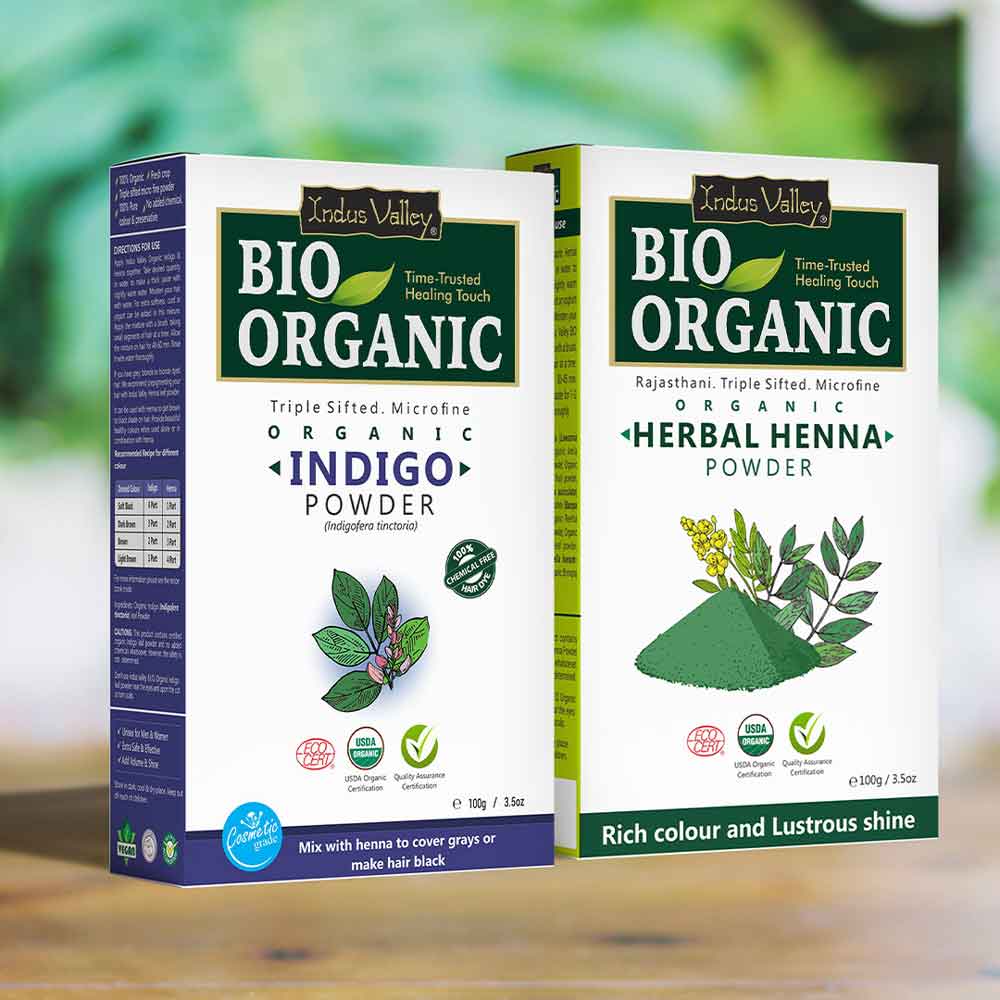
Indus Valley Damage-Free Hair Colour is created for those who want to move away from that cycle. As an organic hair dye, it avoids harsh chemicals and instead relies on plant-based ingredients that are gentler on both hair and scalp.
What Makes Indus Valley Damage-Free Hair Colour Different

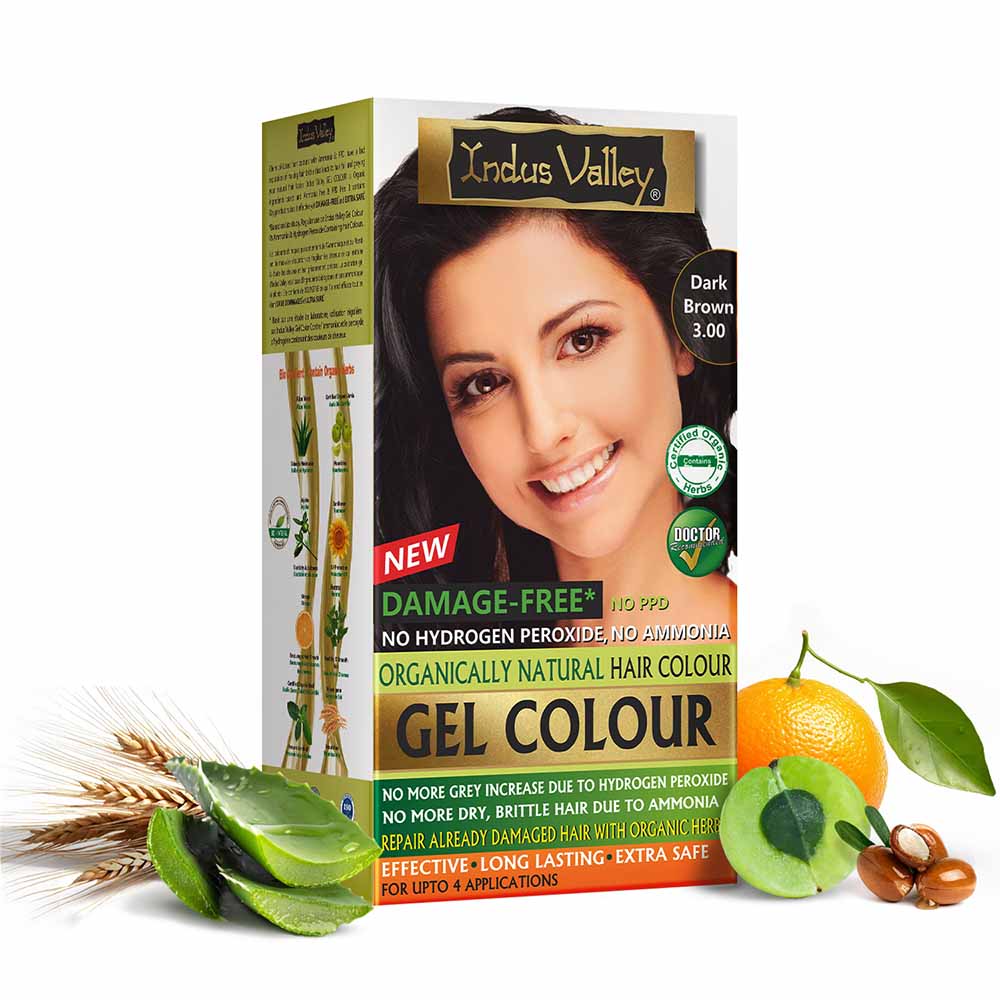
The strength of Indus Valley lies in what it chooses not to use. No ammonia, no hydrogen peroxide, no parabens, and no aggressive synthetic additives. This makes it a reliable natural hair dye option for regular use.
The formulation is designed to coat the hair evenly while maintaining moisture balance. Hair does not feel stripped or rough after colouring. Instead, it retains its natural softness and movement—something chemical dyes often take away.
Colour That Looks Natural, Feels Soft, and Moves Freely
Valentine’s Week beauty is subtle. It’s about effortless charm rather than dramatic change. Indus Valley’s organic hair colour delivers shades that blend naturally with your existing hair, giving a realistic and elegant finish.
The colour develops evenly and looks authentic under natural light—perfect for daytime outings, evening dinners, and close-up moments. It enhances rather than masks your natural hair character.
Long-Lasting Results Without Dryness or Roughness
A common concern with natural hair dye is whether it lasts. Indus Valley offers colour that stays for up to 28 shampoos, fading gradually without patchiness or dull tones.
Because the hair cuticle is not aggressively damaged, the colour fades gracefully while hair remains hydrated and smooth. This means your hair continues to look good long after Valentine’s Week has passed.
Gentle on the Scalp, Kind to Sensitive Skin
Scalp discomfort is one of the biggest reasons people hesitate to colour their hair. Indus Valley Damage-Free Hair Colour is suitable for sensitive scalps, making it a comfortable option for those who have experienced irritation in the past.
Its gentle nature also makes it ideal for first-time users who want to try an organic hair dye without fear. The colouring process feels calm, controlled, and reassuring.
A Comfortable At-Home Colouring Experience
Valentine’s plans don’t always leave room for salon visits. Indus Valley’s natural hair colour is designed for easy at-home use with a smooth texture and simple application steps.
There is no overpowering smell, no complicated process, and no discomfort during application. It turns hair colouring into a relaxed self-care ritual rather than a stressful task.
A More Thoughtful Way to Colour Your Hair
Modern beauty choices are about more than appearance. Choosing a natural hair dye reflects care—for your body, your hair, and the environment.
Indus Valley follows transparent practices and cruelty-free values, making it a brand that fits into mindful lifestyles. Colouring your hair becomes a conscious choice rather than a chemical compromise.
Why Indus Valley Hair Colour Fits Perfectly into Valentine’s Week
Valentine’s Week celebrates closeness, confidence, and authenticity. Indus Valley Damage-Free Hair Colour supports all three by offering visible results without hidden damage.
It allows you to enjoy your plans fully—whether you’re celebrating with someone special or spending time appreciating yourself—without worrying about the after-effects of colouring.