

































Why Your Hair Feels Rough After Colouring (And How to Fix It)

Quick Listen
Short Summary Of The Blog
"Hair often feels rough after colouring because chemical hair dyes contain harsh chemicals like ammonia, PPD, and hydrogen peroxide that damage the hair cuticle and strip away natural moisture. This can lead to dryness, frizz, breakage, and hair fall over time. This blog explains the real reasons behind rough hair after colouring and shares practical ways to restore softness naturally. It also highlights how Indus Valley’s Damage-Free Organic Hair Colour offers a safer alternative with 100% grey hair coverage, organic herbs, and a bleach-free, ammonia-free formulation designed for healthier-looking hair."
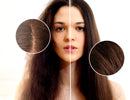
Colouring your hair can instantly refresh your appearance, cover grey hair strands, and make your hair look more vibrant. But for many people, the excitement of freshly coloured hair quickly turns into frustration when the hair starts feeling rough, dry, tangled, or lifeless after a few washes. If you have ever touched your hair after colouring and wondered, “Why does my hair suddenly feel so hard and brittle?” — you are not imagining it. Rough hair after colouring is one of the most common concerns people experience after using chemical hair dyes.
Table of Contents
- Why Does Hair Become Rough After Colouring?
- How Does Bleach Affect Hair Texture?
- Why Are Chemical Hair Colours Not Ideal for Long-Term Hair Health?
- How Can Organic Hair Colour Help Reduce Hair Damage?
- Why Is Haircare After Colouring Equally Important?
- How Does Indus Valley Support Healthier Hair Colouring?
- When Should You Consider Switching to a Damage-Free Hair Colour?
- FAQ's
Why Does Hair Become Rough After Colouring?
Hair becomes rough after colouring because most chemical hair dyes contain strong chemical agents that disturb the hair’s natural protective layer. Ingredients like ammonia, Para-phenylenediamine (PPD), and hydrogen peroxide are commonly used in permanent hair colours. These chemicals open the hair cuticle so the artificial colour pigments can enter deeply into the hair shaft.
While this process helps colour last longer, it also removes natural moisture and proteins from the hair. Once the cuticle is damaged, the hair starts losing hydration quickly. This is why chemically coloured hair often feels:
- Dry and coarse
- Frizzy after washing
- Difficult to comb
- Weak at the ends
- More prone to split ends and breakage
People with already dry or damaged hair usually notice these changes even faster after colouring.
How Does Bleach Affect Hair Texture?
Bleach is one of the biggest reasons behind rough and damaged hair after colouring.
Hydrogen peroxide, commonly used as a bleaching agent in chemical hair dyes, works by stripping away the hair’s natural pigment before depositing artificial colour. During this process, the hair fibre becomes weaker and more porous.
Highly porous hair cannot retain moisture properly. As a result, your hair may start feeling:
- Rough after every wash
- Puffy and frizzy in humid weather
- Weak while brushing
- Dull instead of shiny
Many salon professionals and haircare experts now advise limiting frequent bleach-based colouring because long-term exposure can permanently weaken hair texture.
Why Are Chemical Hair Colours Not Ideal for Long-Term Hair Health?

| Hair Colour Concern | Chemical Hair Dyes | Indus Valley Damage-Free Gel Hair Colour |
|---|---|---|
| Grey Hair Coverage | Covers grey hairs using harsh chemicals | 100% grey hair coverage with organic herbal formulation |
| Hair Texture After Colouring | Often causes roughness, dryness, and frizz | Helps maintain smoother and softer hair texture |
| Ammonia Content | Usually contains ammonia | Ammonia-free hair colour |
| PPD (Para-phenylenediamine) | Commonly used in formulations | Completely PPD-free |
| Hydrogen Peroxide / Bleach | Used to strip natural pigment | No hydrogen peroxide or bleaching agents |
| Hair Breakage Risk | Higher due to cuticle damage | Designed to reduce dryness and breakage |
| Scalp Comfort | May cause irritation or itching | Gentle herbal-based formulation |
| Application Experience | Strong chemical smell and harsh feel | Easy gel-based home application in 35 minutes |
| Colour Longevity | Long-lasting but often drying | Lasts up to 28 shampoos with better hair feel |
| Haircare Benefits | Focused mainly on colouring | Colours while helping nourish hair |
| Ingredients | Synthetic chemical-heavy formula | Enriched with 8 potent organic herbs |
| Sustainability | Limited eco-conscious approach | Vegan, cruelty-free, and plant-based beauty |
| Suitable For | People prioritizing quick colour results | People seeking safer, damage-free hair colour |
| Long-Term Hair Health | Can weaken hair over time | Supports healthier-looking hair with repeated use |
One or two colouring sessions may not show major damage immediately. But repeated use of chemical hair dyes can gradually impact scalp health and hair quality.
Over time, harsh ingredients may lead to:
- Hair fall after colouring
- Increased breakage
- Scalp irritation
- Premature dryness
- Loss of natural shine
- Thinning hair texture
Dermatologists and scalp specialists also often point out that frequent exposure to PPD-based hair dyes may trigger scalp sensitivity in some individuals. This growing awareness has encouraged many consumers to move toward organic hair colour and herbal haircare solutions that focus on both colouring and hair nourishment together.
How Can Organic Hair Colour Help Reduce Hair Damage?
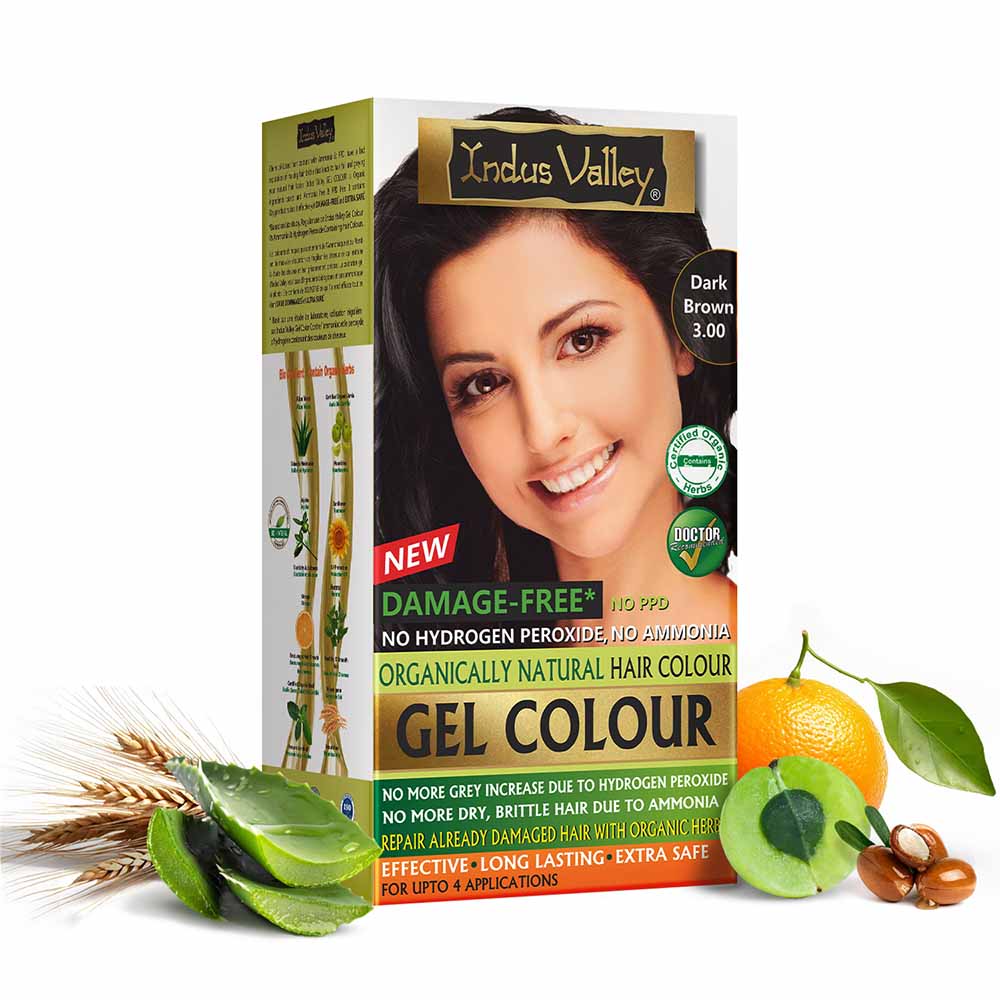
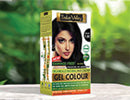
One of the easiest ways to reduce roughness after colouring is by choosing a hair colour that does not rely on aggressive bleaching chemicals. Indus Valley Damage-Free Organic Hair Colour has been formulated keeping this exact concern in mind. Unlike conventional chemical hair dyes, it is free from ammonia, PPD, and hydrogen peroxide (bleach). Made with 8 potent organic herbs, this gel-based formulation colours hair gently while helping maintain softness and manageability.
What makes it different is that it does not bleach the natural hair before depositing colour. Because of this, users often experience significantly less dryness, roughness, and hair breakage compared to traditional hair dyes.
The formula offers:
- 100% grey hair coverage
- No ammonia or bleach
- No damage to natural hair texture
- Fast home application in just 35 minutes
- Colour lasting up to 28 shampoos
- Vegan and cruelty-free formulation
For people searching for a natural hair colour for grey hair that feels comfortable on both scalp and hair, this type of herbal-based formulation can make a noticeable difference.
Why Is Haircare After Colouring Equally Important?
Even if you use a safer hair colour, your post-colour haircare routine still matters. After colouring, the hair needs extra moisture and gentle care to maintain smoothness and elasticity.
A few habits that genuinely help include:
1. Using Sulphate-Free Shampoo
Strong cleansers can dry coloured hair further. A mild sulphate-free shampoo helps preserve moisture.
2. Applying Hair Oil Regularly
Traditional oils like coconut oil, almond oil, and argan oil help soften rough hair strands and reduce frizz.
3. Avoiding Excessive Heat Styling
Frequent use of straighteners and blow dryers can worsen dryness after colouring.
4. Deep Conditioning Weekly
Hair masks rich in nourishing ingredients help restore softness and improve hair texture. Haircare professionals often recommend treating coloured hair more gently because chemically processed hair becomes more vulnerable to environmental stress and dehydration.
How Does Indus Valley Support Healthier Hair Colouring?

At Indus Valley, the focus has always been on combining traditional herbal knowledge with modern haircare needs. The Damage-Free Gel Hair Colour range was created for people who want vibrant hair colour without exposing their scalp and hair to unnecessary harsh chemicals.
Instead of depending on bleach-heavy formulations, the product uses carefully selected organic herbs to help colour hair while supporting overall hair health. For consumers trying to move toward cleaner beauty choices, it also aligns with growing preferences for:
- vegan hair dye
- cruelty-free hair colour
- plant-based beauty products
- organic haircare
By choosing a damage-free organic hair colour, you are not only covering grey hairs but also reducing long-term stress on your hair and scalp.
When Should You Consider Switching to a Damage-Free Hair Colour?
You should consider changing your hair colour routine if you notice:
- Hair becoming rough after every colouring session
- Increased hair breakage
- Excessive dryness
- Itchy or irritated scalp
- Hair losing shine and softness
These signs usually indicate that your hair is struggling to tolerate harsh colouring chemicals. Switching to a gentler, herbal-based hair colour can help maintain healthier-looking hair while still giving effective grey coverage.