






































The Best Hair Colour Shades for Warm Indian Skin Tones

Short Summary Of The Blog
"Discover the best hair colour shades for warm Indian skin tones, including Black, Dark Brown, Medium Brown, Light Brown, Copper Mahogany and Burgundy. This blog explains how to identify warm undertones, choose the right shade for grey hair coverage and understand why a damage-free, ammonia-free hair colour formula matters for healthier-looking hair."
Choosing a hair colour should feel exciting, but for many women it feels confusing instead. A shade may look beautiful on a model or colour chart, yet appear too bright, too dark or completely different on your own hair. The result depends on more than the shade name. Your skin undertone, natural hair colour, percentage of grey hair and the type of colour formula all influence how the final shade looks.
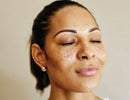
This is why understanding the right hair colour shades for warm Indian skin tones can help you make a more confident choice. Warm Indian complexions usually have golden, olive, wheatish, honey or dusky undertones. These skin tones tend to look especially balanced with rich blacks, warm browns, copper-based shades, mahogany and burgundy.
Table of Contents
- How Your Natural Hair Colour Affects the Final Shade
- Best Hair Colour Shades for Warm Indian Skin Tones
- Which Hair Colour Shade Is Best for Covering Grey Hair?
- Why the Hair Colour Formula Matters
- What Makes Indus Valley Different from Chemical Hair Dyes?
- Always Perform a Patch Test Before Hair Colouring
- FAQ's
How Your Natural Hair Colour Affects the Final Shade
A hair colour does not look identical on every person. The same shade can appear deep and subtle on black hair but brighter on grey or lighter hair. If your natural hair is black, shades such as Medium Brown, Light Brown, Copper Mahogany or Burgundy may appear mainly as warm reflections, especially in sunlight. If you have a high percentage of grey hair, the same shades may look brighter because grey hair strands do not contain the same level of natural pigment.
This difference is especially important when choosing hair colour for grey hair. You may want complete, natural-looking grey hair coverage or a more visible fashion shade. Understanding your starting colour helps you choose accordingly.
Best Hair Colour Shades for Warm Indian Skin Tones
Warm Indian skin generally looks more harmonious with shades that have brown, golden, copper, red or wine undertones. Very cool or overly ashy colours may sometimes make golden and olive complexions appear dull.
Here is how six popular hair colour shades work with different warm Indian skin tones.
1. Black Hair Colour for a Rich, Classic Finish
Black is a timeless choice for Indian women who want to maintain their natural-looking hair colour while covering greys. It suits wheatish, olive, medium and dusky skin tones particularly well. The deep shade creates a strong contrast with warm skin and can make the hair look fuller, darker and more defined.
Black is also a practical choice if your natural hair is already black and you want to cover grey roots without changing your overall appearance.
Choose Black if you prefer:
- Complete-looking grey coverage
- A deep and traditional hair colour
- A shade close to naturally black Indian hair
- Minimal visible change
2. Dark Brown Hair Colour for Natural-Looking Greys
Dark Brown is one of the safest and most versatile hair colour shades for warm Indian skin tones. It is softer than black but still deep enough to blend with naturally dark hair. It suits golden, wheatish, olive, medium and dusky complexions.
Dark Brown is especially useful when pure black feels too strong or flat. It adds gentle warmth without making the hair appear obviously coloured.
Choose Dark Brown if you want:
- Natural-looking grey hair coverage
- A softer alternative to black
- A shade suitable for daily wear
- A subtle first-time hair colour
3. Medium Brown Hair Colour for Warm Dimension
Medium Brown adds visible warmth and creates more noticeable dimension than Dark Brown. It works beautifully on fair, golden, wheatish and medium Indian skin tones. The shade can soften facial features and make the overall look appear warmer and more youthful.
On naturally black hair, Medium Brown may show as a warm brown reflection rather than a completely lighter base. On grey strands, the colour may look more visible and slightly brighter.
Choose Medium Brown if you want:
- A noticeable but natural change
- Warm brown tones without excessive brightness
- A softer appearance around the face
- A shade between dark and light brown
4. Light Brown Hair Colour for a Brighter Look
Light Brown is a flattering choice for fair, golden and lighter wheatish complexions. It can brighten the face and give dark hair a softer, warmer appearance. However, the final result depends greatly on your natural hair colour and whether the formula contains bleaching agents.
A hair colour without ammonia and hydrogen peroxide will not dramatically lighten naturally black hair. Instead, it deposits colour over the existing pigment. This means Light Brown may appear as warm brown highlights or reflections rather than a complete light-brown transformation. Grey strands may take the shade more visibly because they contain less natural pigment.
Choose Light Brown if you want:
- A warmer and brighter hair appearance
- Visible colour on grey strands
- A softer alternative to dark brown
- A subtle change without bleaching
5. Copper Mahogany Hair Colour for Golden Warmth
Copper Mahogany combines warm copper tones with deep reddish-brown colour. It looks especially flattering on golden, wheatish, olive and medium skin tones. The copper element brightens the complexion, while the mahogany depth keeps the result rich and balanced.
On dark hair, Copper Mahogany may appear as a warm reddish-brown tint that becomes more visible in natural light. On greys, the copper tones may appear stronger.
Choose Copper Mahogany if you want:
- Warm red and brown tones
- A more fashionable but wearable shade
- A colour that looks vibrant in sunlight
- A richer alternative to regular brown
6. Burgundy Hair Colour for a Deep Wine-Toned Finish
Burgundy is a rich blend of red, violet and wine tones. It pairs well with wheatish, olive, medium and dusky Indian skin tones. Because Burgundy is deep rather than bright, it can create a noticeable change without looking overly bold. On black hair, it often appears as a subtle wine reflection indoors and becomes more visible in sunlight.
On grey hair, Burgundy may appear brighter, so the final result can vary across the lengths if your hair contains both dark and grey strands.
Choose Burgundy if you want:
- A deep red or wine-toned shade
- A richer alternative to brown
- A fashionable shade for dark Indian hair
- A colour that complements dusky and olive skin
Which Hair Colour Shade Is Best for Covering Grey Hair?
For natural-looking grey coverage, Black and Dark Brown are usually the most practical choices. They blend more easily with naturally dark Indian hair and create a more uniform result from roots to lengths. Medium Brown can also work well when you want your greys to look softer and warmer rather than very dark.
Copper Mahogany and Burgundy are suitable when you want your grey strands to pick up a more visible fashion colour. However, these shades may look brighter on grey hair than on naturally dark hair. Before colouring, check the amount and placement of your greys. If most greys are around the temples or hairline, choose a shade that blends comfortably with the rest of your hair.
Why the Hair Colour Formula Matters
A beautiful shade should not come at the cost of dry, rough or fragile hair. Many conventional permanent colours use ammonia or similar alkalising agents to open the hair cuticle. Hydrogen peroxide may then reduce the natural pigment before the new shade develops. Frequent bleaching and oxidative colouring can leave already fragile hair feeling dry or porous.
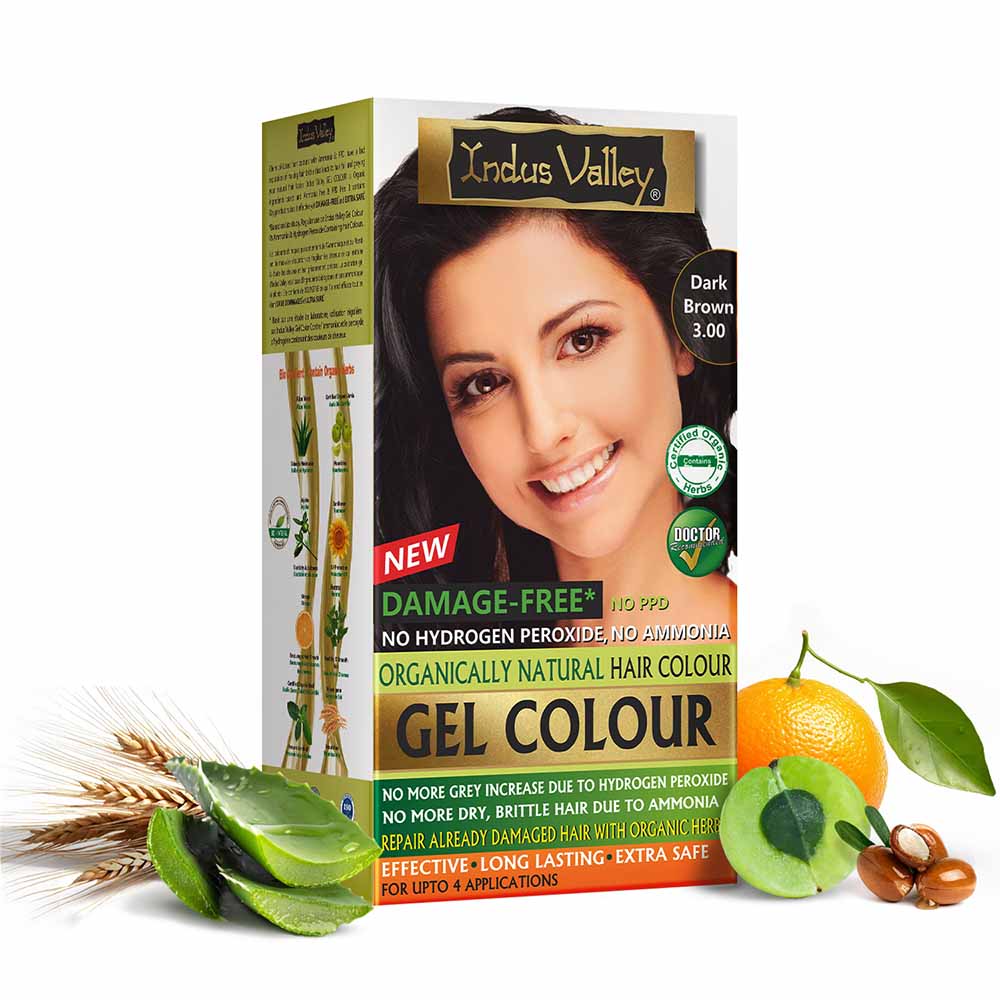
Indus Valley Damage-Free Gel Hair Colour is positioned as India's only organic hair colour. It is enriched with 8 potent organic herbs like Henna, Aloe Vera, Orange Oil, Amla, Jojoba Oil, Sunflower Oil, Wheat Germ Oil and Basil. It contains no ammonia, PPD, or hydrogen peroxide.
Because it does not bleach the natural pigment first, it works by depositing colour over the hair. This makes it suitable for women looking for a damage-free hair colour, PPD-free hair colour or a gentler natural hair dye option. The gel-based formula can be applied at home and develops in approximately 35 minutes. The colour can last for up to 28 shampoos, depending on your hair type, washing routine, shade and percentage of grey hair.
What Makes Indus Valley Different from Chemical Hair Dyes?
Chemical hair dyes may provide quick colour. However, many formulas use ammonia, PPD, hydrogen peroxide, or bleaching agents. These ingredients may leave the hair dry and weak after repeated use. Indus Valley takes a gentler approach. It focuses on grey coverage while supporting the long-term appearance of your hair.
| Feature | Indus Valley Damage-Free Gel Hair Colour | Regular Chemical Hair Dye |
|---|---|---|
| Ammonia | Free from ammonia | Commonly present |
| PPD | PPD-free formula | May contain PPD |
| Hydrogen Peroxide | Not used | Commonly used |
| Bleaching Agents | No bleaching agents | May bleach before colouring |
| Grey Coverage | Up to 100% coverage | Usually provides coverage |
| Application Time | Around 35 minutes | Varies by product |
| Colour Longevity | Up to 28 shampoos | Varies by formula |
| Herbal Ingredients | Enriched with eight organic herbs | Usually chemical-based |
| Hair Condition | Designed to reduce dryness and damage | May cause dryness or breakage |
| Ethical Features | Vegan and cruelty-free | Depends on the brand |
Always Perform a Patch Test Before Hair Colouring
Even an organic or damage-free formula may not suit every individual. A patch test is necessary before every application, including repeat use. Mix a small amount as per the instructions. Apply it to the inner forearm or behind the ear and leave it for 30–40 minutes. Rinse with water and wait for 24–48 hours.
If irritation, redness, itching, swelling or burning occurs, do not use the product. If there is no reaction, it is safe to proceed according to the usage instructions.