























Best hair colour recommended by dermatologist in india

Short Summary Of The Blog
Choosing a hair colour is not only about finding a flattering shade. It is equally important to select a hair colour that suits your scalp, hair texture and individual sensitivity. People searching for the best hair colour generally want effective grey hair coverage without excessive dryness, irritation or hair breakage.
There is no single hair colour that every dermatologist recommends for every person. Dermatologists generally advise consumers to examine the ingredients, follow the manufacturer’s patch-test instructions before every application and discontinue use if redness, itching, burning or swelling occurs. PPD, an ingredient commonly found in permanent hair dyes, is a recognized cause of allergic contact dermatitis in susceptible individuals.
Table of Contents
What Makes a Hair Colour Dermatologist-Friendly?
A gentler hair colour should provide dependable natural hair colour results while reducing exposure to ingredients that may irritate the scalp. However, words such as “natural” or “organic” do not automatically guarantee that a product will suit every user.
Before selecting a hair colour, look for:- A clearly disclosed ingredient list
- Complete application and patch-test instructions
- No ingredients that have caused a previous reaction
- A conditioning base that helps minimize dryness
- An easy-to-spread texture for even application
People with eczema, an irritated scalp or a previous hair-dye reaction should consult a dermatologist before colouring their hair. Dermatologists may perform formal patch testing to identify the ingredient responsible for an allergic reaction.
Why Can Regular Hair Dyes Feel Harsh?
Conventional permanent hair dyes may contain ingredients that help colour penetrate the hair shaft. Repeated colouring, bleaching, heat styling and prolonged sun exposure can gradually leave coloured hair feeling dry, weak or rough.
PPD deserves particular attention because it is commonly associated with hair-dye contact dermatitis. However, consumers must understand that ammonia-free and PPD-free are different claims. An ammonia-free hair colour may still contain PPD or another potential allergen. Reading the complete ingredient list is therefore essential.
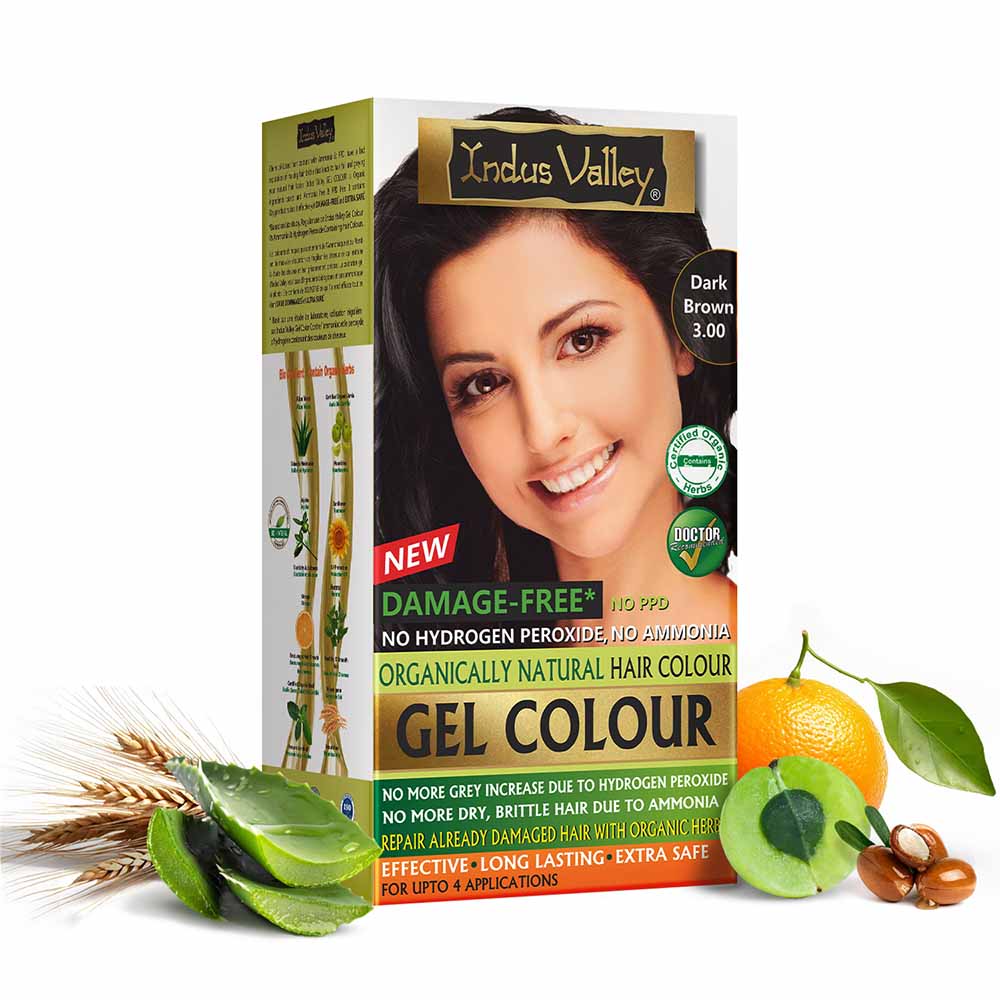
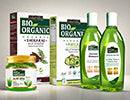
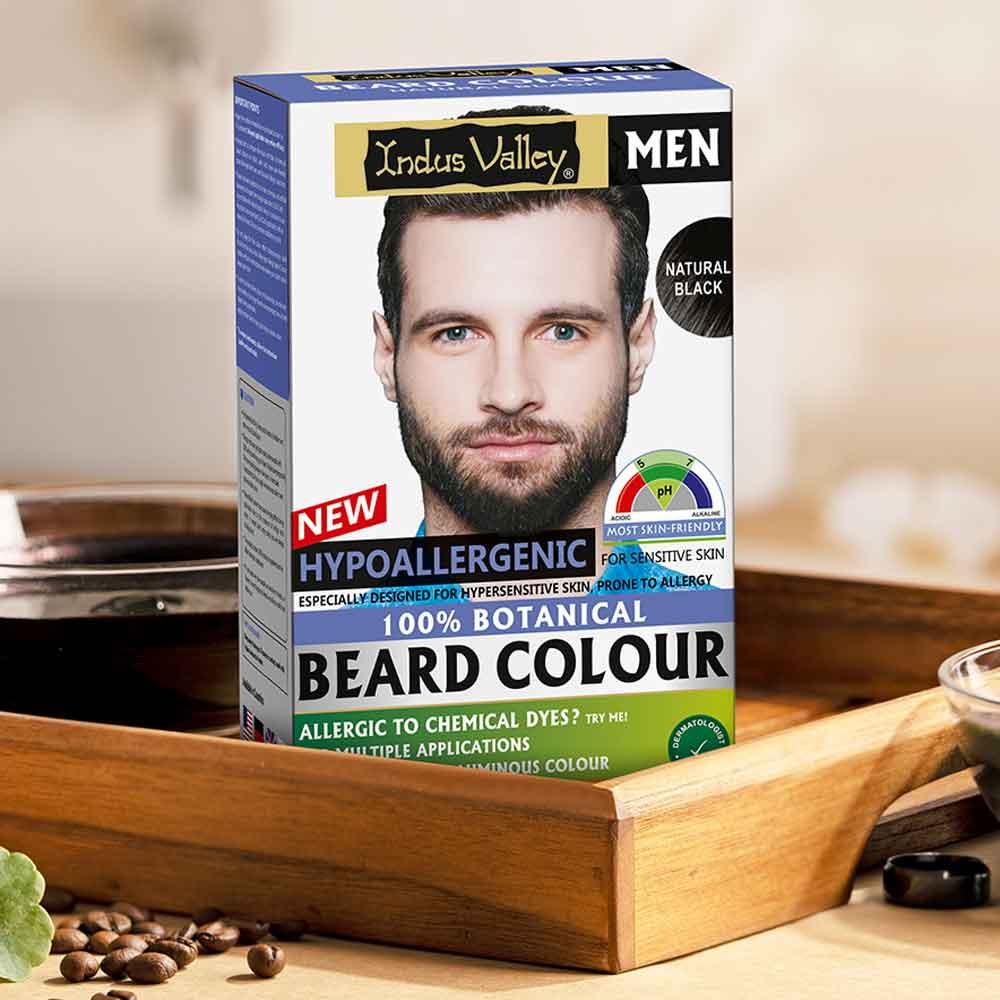
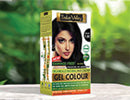
Key Benefits of Indus Valley Gel Hair Colour
Its major benefits include:- Smooth gel consistency for controlled application
- Plant-enriched formula with herbs and essential oils
- Natural-looking coverage for visible greys and roots
- Conditioning care for softer and shinier-looking hair
- Multiple shades for different hair-colour preferences
- DIY-friendly application for men and women
The product may appeal to first-time users, people who regularly touch up grey roots and adults looking for a PPD-free and ammonia-free hair colour in India. Anyone who has previously experienced severe swelling, blistering, breathing difficulty or a strong allergic reaction after using hair dye should consult a dermatologist before trying another product.
Tips to Make Hair Colour Last Longer
To maintain your shade and keep coloured hair looking healthy, use a mild, sulphate-free shampoo with lukewarm water. Very hot water can make coloured hair feel dry and may contribute to faster fading.
Apply a suitable conditioner after shampooing and use a nourishing hair mask regularly. Limit high-heat straightening, curling and blow-drying. You should also protect your hair from prolonged sunlight and chlorinated swimming-pool water. When possible, apply colour only to newly grown grey roots instead of repeatedly colouring hair lengths that already hold sufficient colour.
Conclusion
For someone searching for the best hair colour recommended by dermatologists in India, the most responsible approach is to choose a product based on its ingredients, your allergy history, scalp condition and application instructions—not marketing claims alone.
Indus Valley Damage Free Gel Hair Colour offers several qualities consumers look for in a gentler hair colour: a brand-stated ammonia-free and PPD-free formula, plant-enriched conditioning care, convenient gel application and natural-looking grey coverage.
Nevertheless, no hair colour is universally allergy-proof. A patch test before every application and advice from a dermatologist for sensitive or previously reactive skin remain essential.