































Best Soap For Tan Removal In India

Short Summary Of Blog
"Sun exposure, pollution, sweat and outdoor travel can make the skin on the arms, neck, feet and shoulders look tanned, rough or uneven. This is especially common in India, where strong sunlight, heat and humidity affect the skin for much of the year. While tanning is a natural response to ultraviolet exposure, regular cleansing and gentle exfoliation can help reduce surface dullness over time."
Choosing the soap is not about finding a product that changes your natural skin colour. A good tan removal soap should gently remove dead skin cells, dirt, excess oil and environmental build-up while preserving the skin's natural moisture barrier.
Table of Contents
- What Causes Sun Tan and Uneven Skin Tone?
- What Makes a Good Tan Removal Soap?
- Why Cold-Processed Soap Produces Less Foam
- How Does Papaya Soap Help Reduce Dullness?
- Why Honey Is Helpful for Dry and Tanned Skin
- How to Use a Tan Removal Soap Correctly
- When Can You Expect Results?
- Frequently Asked Questions
What Causes Sun Tan and Uneven Skin Tone?
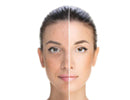
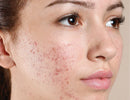
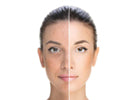
Tanning occurs when the skin produces more melanin to protect itself from ultraviolet radiation. Areas that receive regular sun exposure, including the hands, arms, neck, face and feet, may gradually appear darker than covered areas. Tan can become more noticeable when dead skin cells accumulate on the skin's surface. Dehydration, friction, pollution and inadequate moisturization may also make the skin look dull or uneven.
A cleansing bar cannot instantly remove deep pigmentation. However, a mild skin brightening soap may support the skin's natural renewal process by clearing surface build-up and maintaining hydration.
What Makes a Good Tan Removal Soap?
The best cleansing bar for tanned skin should balance three functions: cleansing, exfoliation and moisturization.
A Tan Removal Soap should:
- Remove sweat, dirt and excess oil gently
- Help clear dead surface cells
- Maintain the skin's moisture balance
- Avoid excessive dryness or tightness
- Be suitable for regular body cleansing
- Contain nourishing oils or plant butters
- Remain free from unnecessarily harsh foaming agents
Many people assume that more foam means better cleansing. In reality, a highly foaming soap that dries skin may strip away natural oils and leave the body feeling rough, itchy or uncomfortable.
When searching for a soap that will not dry your skin, focus on ingredients and after-wash comfort rather than the amount of lather produced.
Why Cold-Processed Soap Produces Less Foam
Cold processing is a traditional soap-making method that helps retain the qualities of botanical oils and plant butters. Handmade cold-processed soaps usually produce a softer and milder lather than detergent-heavy commercial bars. Low lather does not mean poor performance. It may simply indicate that the cleanser is free from strong foaming agents such as SLS.
Indus Valley Skin Brightening Mild Body Soap is prepared using the cold-process method and contains papaya fruit extract, Mashobra wild honey, olive oil, cold-pressed coconut oil and mango seed butter. It is formulated without SLS, parabens and artificial fragrance.
From an informational perspective, this ingredient combination makes it relevant for people looking for a mild tan removal soap that also addresses dryness and surface dullness.
How Does Papaya Soap Help Reduce Dullness?
A papaya soap is often used for tanned and uneven-looking skin because papaya contains naturally occurring enzymes. These enzymes help loosen dead skin cells that can collect on the surface and make the skin appear dull.
Gentle exfoliation may gradually improve the appearance of rough texture, superficial tanning and uneven tone. Unlike harsh scrubs, a mild papaya-based cleanser can be incorporated into a regular bathing routine without aggressive rubbing. However, papaya extract does not bleach the skin. Its role is to support surface exfoliation so the skin looks fresher and smoother.
Why Honey Is Helpful for Dry and Tanned Skin
Mashobra wild honey acts as a humectant, meaning it helps attract and retain moisture. This can be particularly helpful for skin that feels dry, stretched or uncomfortable after bathing.
When choosing a soap for dry skin, moisturizing ingredients are just as important as cleansing ingredients. Dryness can make tanning and uneven texture look more prominent. Keeping the skin hydrated helps it appear softer, plumper and healthier.
Honey can also balance the exfoliating action of papaya enzymes, creating a gentler cleansing experience. A well-formulated skin soap for dry skin should leave the body clean without creating excessive tightness.
How to Use a Tan Removal Soap Correctly
Follow these steps during bathing:
Step 1: Wet your skin thoroughly with water.
Step 2: Rub the soap between your hands or over a soft loofah to create a mild lather. Less foam is normal in a formula without strong foaming chemicals.
Step 3: Spread the lather evenly over the body, particularly on tanned areas such as the arms, neck, shoulders and feet.
Step 4: Massage gently in circular motions for a few seconds. Avoid aggressive scrubbing, as it may irritate the skin.
Step 5: Rinse thoroughly and pat the skin dry with a soft towel.
Follow with a body moisturizer. Apply broad-spectrum sunscreen on exposed areas during the day to prevent further tanning.
When Can You Expect Results?
Surface dullness may begin to improve after a few weeks of consistent use, but results vary according to skin type, sun exposure and the depth of tanning.
A soap should not promise overnight de-tanning or permanent colour change. Better results usually come from combining gentle cleansing with sunscreen, moisturization, protective clothing and reduced exposure to intense afternoon sun.
Persistent, patchy or unexplained pigmentation should be evaluated by a dermatologist.