




















































Why Chemical Hair Colour Causes Long-Term Hair Damage?

Short Summary Of The Blog
"Hair colour should enhance appearance without compromising long-term hair health. Chemical hair dyes especially those containing hydrogen peroxide as a bleaching agent can gradually weaken hair and disrrupt scalp balance. Understanding ingredient impact allows you to make informed decisions. Opting for safer, damage-conscious hair colour solutions helps protect hair strength, comfort, and natural shine over time."
Hair colouring is no longer an occasional beauty ritual it has become a regular part of personal grooming for many people. Whether it’s covering grey hair or refreshing one’s look, hair colour is widely used. However, frequent use of chemical hair dyes can quietly cause long-term hair damage to both hair and scalp. Understanding how chemical hair colour works helps explain why the damage often appears gradually rather than immediately.
Table of Contents
- How Chemical Hair Colour Works on the Hair Shaft
- Hydrogen Peroxide: The Primary Bleaching Agent in Hair Colour
- Why Choose Indua Valley Hair Colour Over Chemical Hair Dyes
- Why Chemical Hair Colour Leads to Dry and Brittle Hair
- The Impact of Chemical Hair Dyes on Scalp Health
- Why Hair Appears Thinner After Repeated Chemical Colouring
- Long-Term Effects of Frequent Chemical Hair Colour Use
- FAQ's
How Chemical Hair Colour Works on the Hair Shaft
Chemical hair colours are designed to permanently alter the natural pigment of hair. To achieve this, they open the outer cuticle layer and penetrate deep into the hair shaft. While this allows hair colour to last longer, it also disrupts the hair’s natural structure.
Each colouring session weakens the hair slightly. Over time, repeated chemical exposure makes hair less resilient, more porous, and increasingly prone to damage.
Hydrogen Peroxide: The Primary Bleaching Agent in Hair Colour
One of the most damaging ingredients in chemical hair dyes is hydrogen peroxide. It functions as a bleaching agent, removing natural melanin from the hair so artificial colour can develop.
The downside of hydrogen peroxide is significant:
- It breaks down hair proteins
- It strips natural moisture
- It weakens the hair’s internal bonds
With repeated use, hair loses strength, shine, and elasticity, becoming dry and fragile. This bleaching process is a major contributor to long-term hair damage.
Why Choose Indus Valley Hair Colour Over Chemical Hair Dyes

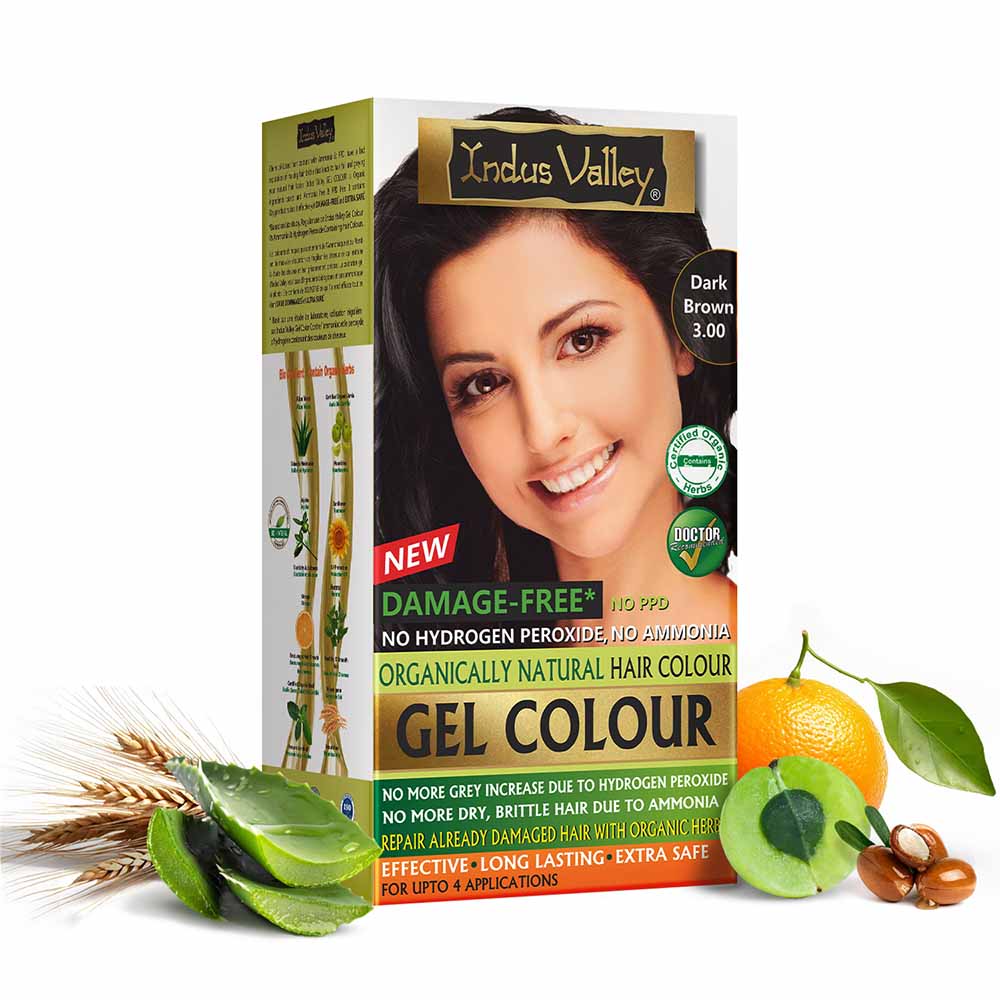
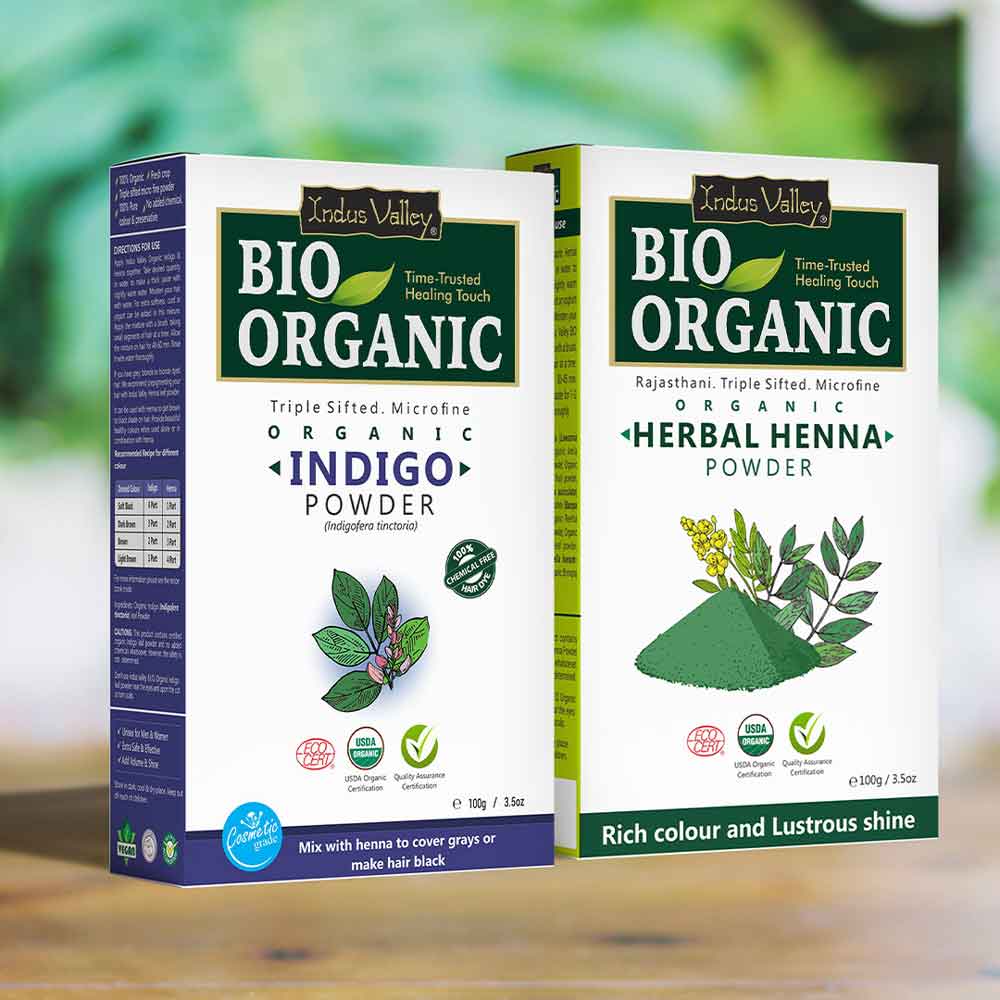
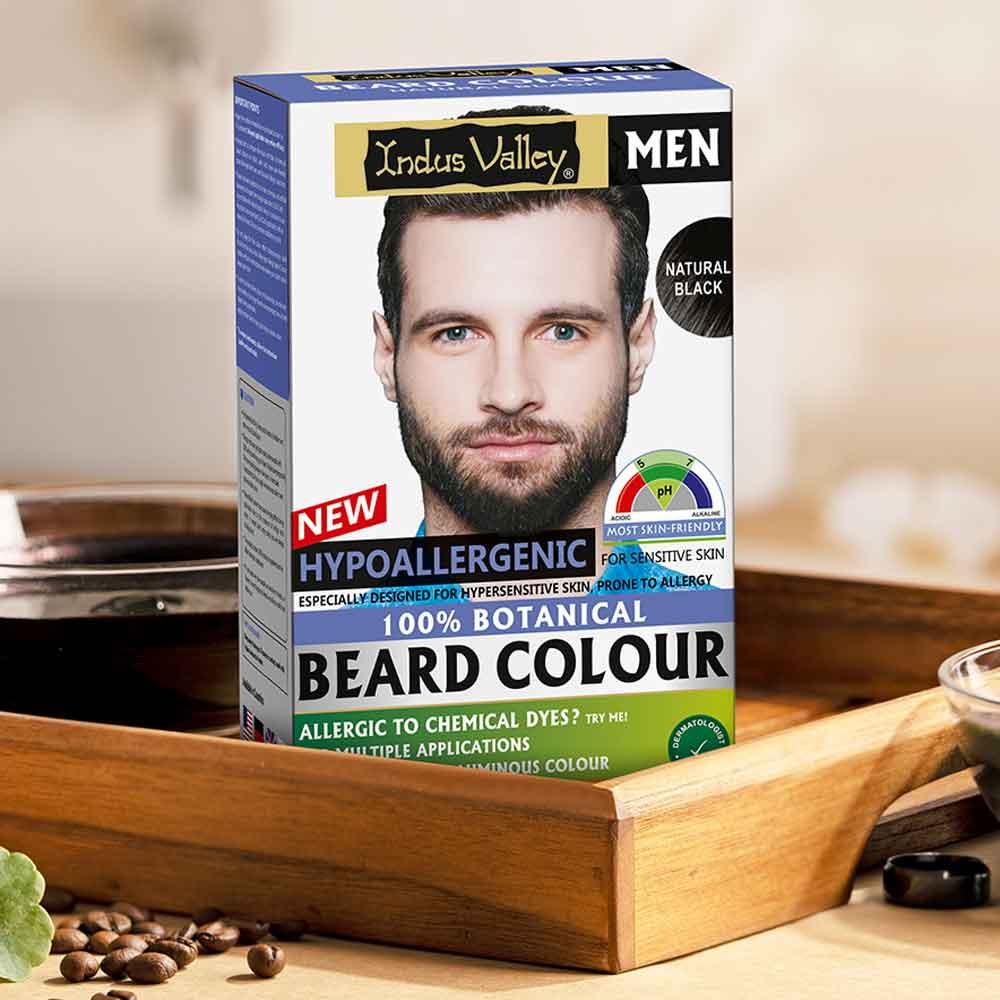
Choosing Indus Valley Damage Free Hair Colour over chemical hair colour means choosing long-term hair and scalp care. Unlike chemical dyes that rely on harsh agents like ammonia and hydrogen peroxide, Indus Valley Hair Colour is formulated with organic, plant-based ingredients that gently colour hair without stripping natural moisture. Chemical hair colours may offer quick results, but repeated use often leads to dryness, breakage, scalp irritation, and premature greying. Indus Valley Damage Free Hair Colour focuses on safer colouring, better scalp comfort, and healthier-looking hair with natural shine. It provides effective grey coverage while respecting hair health, making it a more thoughtful choice for regular hair colouring.
Why Chemical Hair Colour Leads to Dry and Brittle Hair
Healthy hair relies on natural oils and intact cuticle layers. Chemical hair colours disturb both. When the cuticle remains open or damaged after colouring, moisture escapes easily.
As a result:
- Hair feels rough instead of smooth
- Ends split more easily
- Frizz becomes harder to control
Even intensive conditioning often provides only temporary relief because the core structure of the hair has already been compromised.
The Impact of Chemical Hair Dyes on Scalp Health
The scalp is highly sensitive and absorbent. Chemical hair dyes often come into direct contact with it during application. Ingredients like hydrogen peroxide and other synthetic compounds can irritate the scalp barrier.
Long-term use may cause:
- Itching or burning sensations
- Dryness and flaking
- Increased sensitivity over time
A stressed scalp can negatively affect hair growth, leading to weaker and thinner hair strands.
Why Hair Appears Thinner After Repeated Chemical Colouring
Hair thinning after colouring is not always due to hair fall from the roots. Chemical hair colour weakens the hair shaft, making strands more likely to snap during washing or styling.
Over time, this results in:
- Reduced hair density
- Uneven hair lengths due to breakage
- A visibly thinner appearance
Many people mistake this damage for ageing, when it is often the cumulative effect of chemical colouring.
Long-Term Effects of Frequent Chemical Hair Colour Use
While occasional colouring may not show immediate harm, frequent use accelerates damage. Over months or years, users may experience:
- Permanent hair dryness
- Loss of natural shine and texture
- Reduced hair strength
- Chronic scalp discomfort
Once hair structure is repeatedly damaged, full recovery becomes difficult, even with advanced treatments.