















































Why Does Beard Hair Grey Faster Than Scalp Hair? (And How to Handle It)

Short Summary Of The Blog
Noticing grey hair strands in your beard while the hair on your scalp is still dark can feel surprising. For many men, the first signs of greying appear around the chin, moustache or sideburns before becoming visible on the head.
Beard hair does not necessarily lose pigment faster in every person. However, its coarse texture, lower density and prominent position on the face can make grey strands easier to notice. Genetics, natural ageing, oxidative stress and differences between beard and scalp follicles can also influence the greying pattern.
Understanding these factors can help you care for your facial hair and decide whether to embrace the salt-and-pepper look or cover grey hairs with a suitable beard colour.
Table of Contents
Why Does Beard Hair Turn Grey?
The natural colour of beard and scalp hair comes from a pigment called melanin. This pigment is produced by specialized cells known as melanocytes, which are located inside each hair follicle. As men grow older, these pigment-producing cells gradually become less active. When a follicle produces less melanin, the new hair growing from it appears grey. When melanin production stops completely, the strand may appear white.
Genetics is usually the strongest factor influencing when this process begins. Men whose parents or grandparents developed grey facial hair early may notice a similar pattern. Gradual greying is generally a natural change and is not usually a sign of illness.
Why Does Beard Hair Appear Grey Before Scalp Hair?
Beard hair is normally thicker, coarser and more wiry than scalp hair. Even a few white strands can create a noticeable contrast against naturally dark facial hair.
Beard and scalp follicles also have different biological characteristics. Facial hair is strongly influenced by male hormones called androgens, while scalp follicles respond differently to these hormones. Their growth cycles, thickness and texture are also different.
Therefore, it may appear that beard hair is turning grey more quickly, even when pigment loss is gradually occurring in both beard and scalp follicles.
How Can Grey Beard Hair Be Managed?
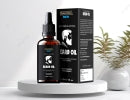
Grey beard hair can sometimes feel dry, coarse or difficult to manage. Applying a gentle beard oil or conditioner can help soften the strands and improve their overall appearance. Washing the beard with a mild cleanser can also prevent excessive dryness.
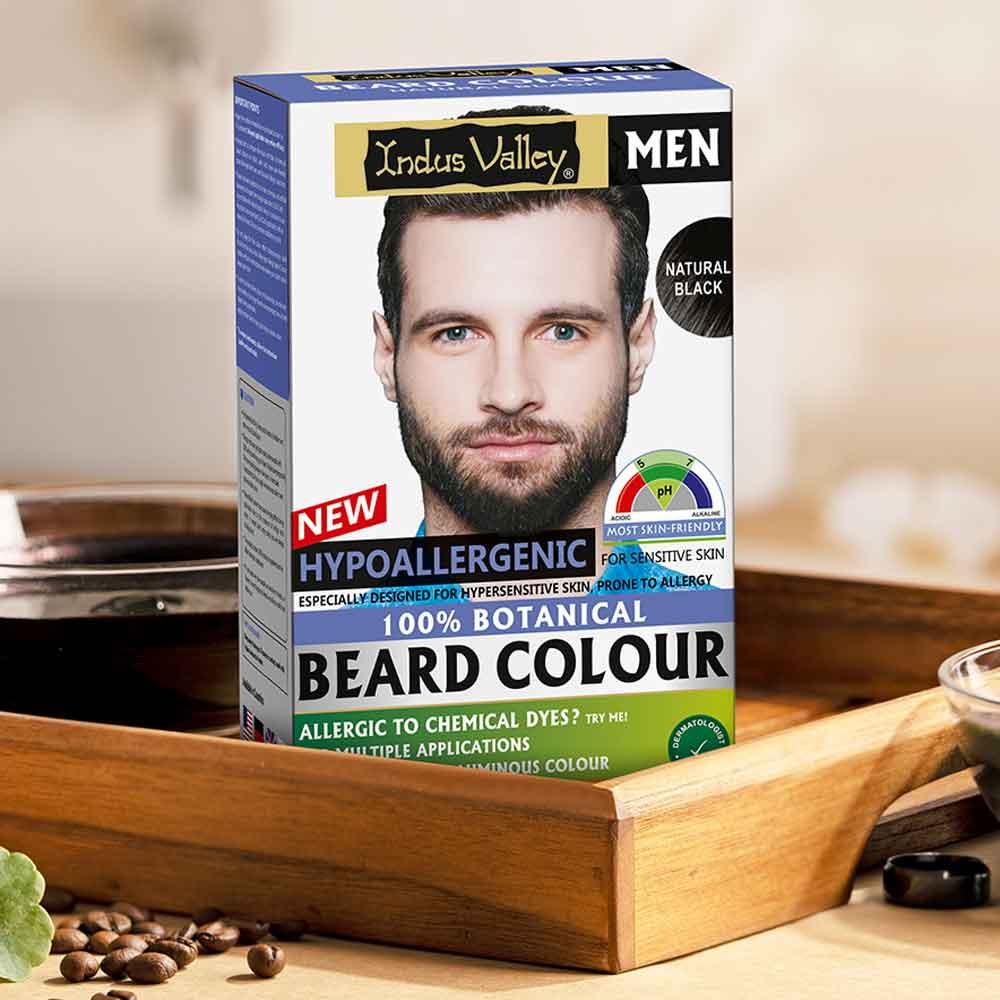
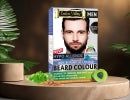
Indus Valley New Damage-Free Beard Colour is an organically natural beard colour created to enhance the appearance of men's facial hair. It can be used to cover greys on the beard, moustache and sideburns while helping the facial hair appear thicker, fuller and more even.
The beard colour provides up to 100% grey hair coverage and can also be used for touch-ups when new grey roots become visible. It develops in approximately 15–20 minutes and may last for up to five weeks, depending on beard growth, washing frequency and grooming habits.
How Does Indus Valley Beard Colour Care For Facial Hair?
Indus Valley New Damage-Free Beard Colour contains no hydrogen peroxide bleach, ammonia or lead. Ammonia-based hair colours may leave coarse beard hair feeling dry and brittle, while repeated exposure to harsh colouring ingredients can affect its texture and manageability.
The formula is enriched with eight herbs: Aloe Vera, Amla, Basil, Coffee, Henna, Jojoba, Sunflower and Wheat Germ. These ingredients help care for the beard while colouring it, supporting a naturally soft, shiny and healthy-looking appearance.
Aloe Vera helps maintain softness and comfort, while Amla is traditionally used in hair-care routines. Henna and Coffee support natural-looking colour, whereas Jojoba, Sunflower and Wheat Germ help condition dry and coarse facial hair.
When Should Grey Beard Hair Be A Concern?
Gradual beard greying is normally associated with genetics and ageing. Some men may notice their first grey beard hair in their twenties, while others may retain naturally dark facial hair well into their forties or fifties.
However, medical advice may be useful when beard hair turns white suddenly, develops in sharply defined patches or appears alongside unusual hair loss. A dermatologist should also be consulted when greying occurs with skin discolouration, persistent fatigue, weakness or other unexplained symptoms.
Sudden or premature greying can occasionally be associated with nutritional deficiencies, thyroid-related concerns or autoimmune conditions. However, hair colour alone cannot confirm an underlying medical issue.
How Can Premature Beard Greying Be Handled Naturally?
Genetic and age-related greying cannot be completely prevented. Once a follicle permanently loses its ability to produce melanin, its natural colour may not return through oils, foods or home remedies.
Nevertheless, healthy lifestyle habits can support the condition and appearance of beard hair. A balanced diet containing protein, vegetables, fruits, whole grains and healthy fats provides nutrients required for normal hair growth.
Smoking may increase oxidative stress and can negatively affect overall hair and skin health. Reducing or avoiding smoking, sleeping adequately and maintaining a consistent exercise routine may support healthier-looking facial hair.
Prolonged stress may also affect the biological systems involved in hair pigmentation. Meditation, breathing exercises, physical activity and sufficient rest can help manage stress, although they cannot guarantee the reversal of grey beard hair.