



























Top 4 Benefits of Damage-Free Hair Colour

Short Summary Of The Blog
"The current generation cannot live without colouring their hair. Some people do it for their profession, but most do it to look different. Furthermore, it has become difficult to avoid since the shine and texture lost from overexposure to nature can only be restored by coloring one's hair. However, not all hair colours are safe. Chemical-based hair dyes, in particular, cause severe and permanent damage, such as hair loss and permanent hair whitening. Therefore, you should choose an ammonia-free and bleach-free hair color to protect your hair from the damage caused by chemical dyes and bleaches. Your damage-free hair color would also leave your hair looking as gorgeous as ever if your research is sound."
How do damage-free hair colours benefit your hair?
1. The natural benefit: The benefit of natural hair dyes is that they don't include ammonia, which is the most harmful ingredient in chemically based hair dyes. On the scalp, ammonia acts as a caustic substance that absorbs sebum, the natural oil. Inhaling ammonia can potentially damage the respiratory system. Hydrogen peroxide, sometimes known as bleach, is another chemical that permanently bleaches hair. A damage-free hair colour might help you stay away from both.
2. Goodbye frizzy hair: Lack of moisture causes hair to become frizzy, which eventually causes the hair to become rough and brittle. Additionally, it causes hair loss and thinning. Increased humidity, which is a major issue in the summer, harms the hair's outer layer.Split ends result from frizzy hair, which also makes it look drab. It is usually created using natural ingredients that will not cause your hair to become frizzy or unruly with an ammonia-free hair colour.
3. Natural and nourishing treatment: Damage free hair colours are often composed of plant-based chemicals, making them a natural and nutritious treatment. Therefore, employing them will only nourish your hair and scalp in a safer manner. The use of organic herbs increases scalp blood flow and reduces hair loss. Their antioxidant qualities aid in the normal regrowth of hair. Additionally, this all-natural treatment provides your hair extra smoothness and lustre that endures even as the hair colour fades.
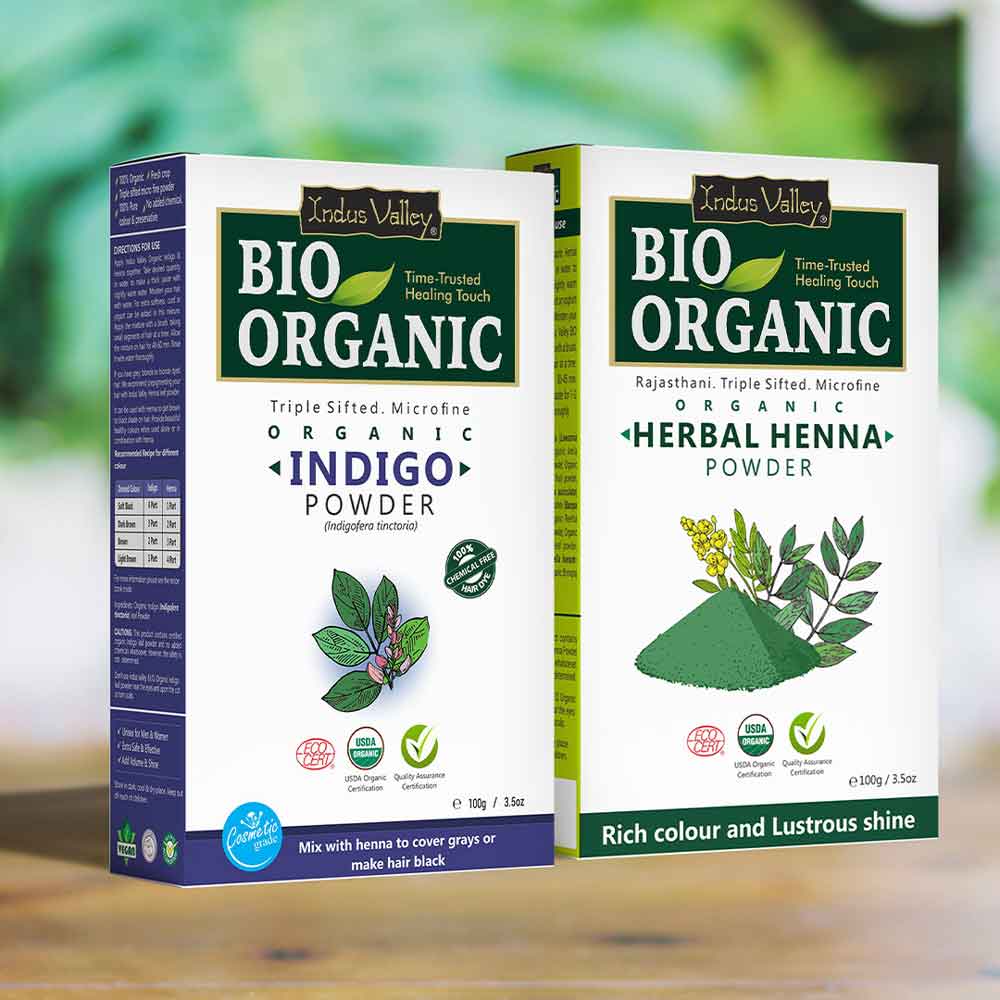
4. Easy to use: Natural hair colors are the easiest to use since they only require water. And what could be better than a premixed natural hair dye made with herbs that is already mixed for your convenience? To achieve the ideal brown, henna and indigo don't need to be combined separately. Isn't that practical? A bundle of herbal products is especially useful for people who combine different herbal products. It is therefore simple and time-saving to use a pre-packaged ammonia-free hair color.
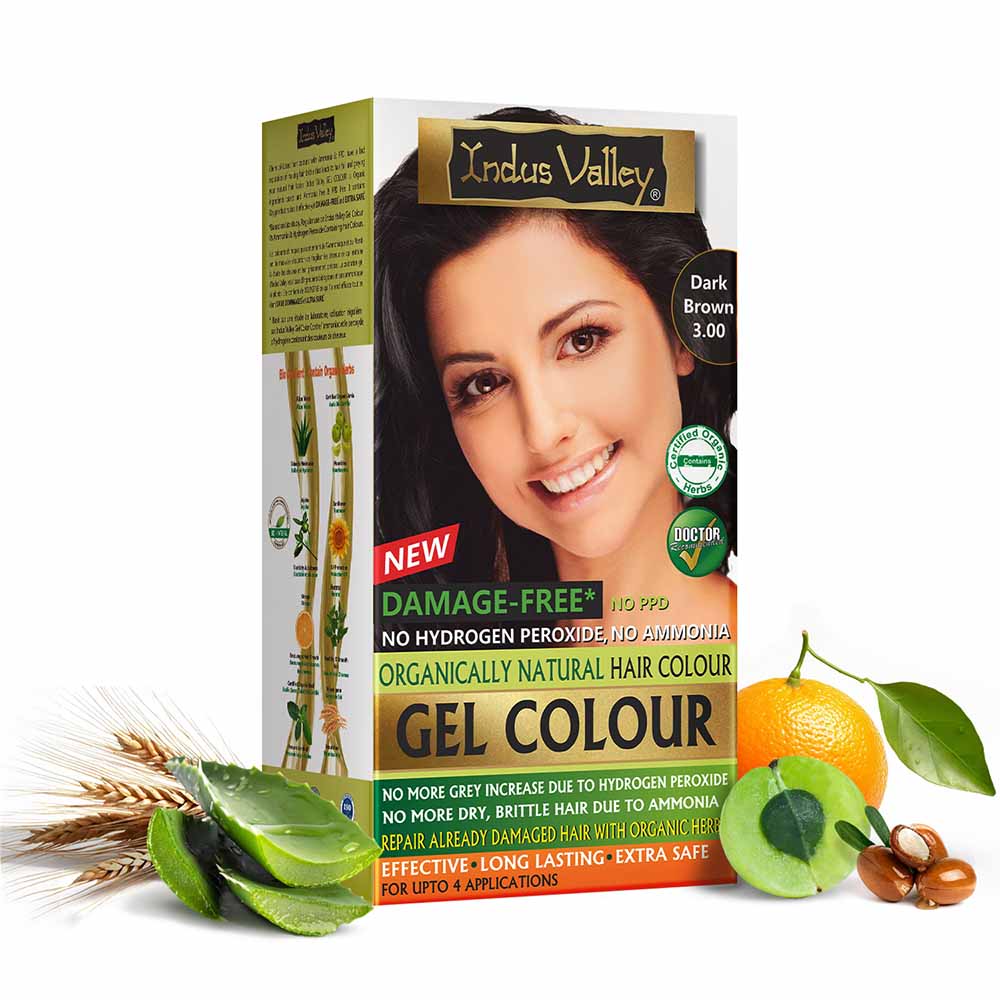
Currently, there are two types of damage-free hair colors available on the market: powder-based and gel-based. Hair colours based on gel take less time, are non-drippy, and are also non-messy. As well as working on the ends of the hair, they also work on the roots.
What is the best way to apply an ammonia-free gel hair colour?
1. After pre-washing your hair, dry it with a towel.
2. The packaged goods should be combined according to the instructions. The amount of colour you get depends on the length of your hair.
3. Using a brush, apply the mixture from the root to the tip of your hair.
4. Allow the colour to rest for 30 to 35 minutes. Rinse under running water afterward.
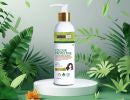
5. Last step, use a shampoo with herbal colour protection.
6. It is also possible to use a hair mask or conditioner after removing the color.
With this, we hope you'll choose the best decision for your damage free hair colour after conducting enough research.
Do you have any other insights to share with this discussion? Simply leave a comment below, and we'll respond.
FREQUENTLY ASKED QUESTIONS
1. What is a damage-free hair colour?
A damage-free hair colour is formulated without harsh chemicals like ammonia and bleach, helping reduce hair dryness, breakage, and scalp irritation.
2. Why should ammonia be avoided in hair colour?Ammonia strips natural oils from the scalp and hair, leading to dryness, frizz, hair fall, and potential respiratory irritation when inhaled.
3. How does bleach damage hair?Bleach weakens the hair cuticle by removing natural pigment and moisture, which can result in permanent dryness, breakage, and premature greying.
4. Does ammonia-free hair colour help control frizz?Yes. By preserving moisture and the hair’s natural oil balance, ammonia-free hair colours help reduce frizz and improve smoothness.
5. Are natural hair colours nourishing for the scalp?Yes. Plant-based and herbal ingredients help improve scalp circulation, reduce hair fall, and support healthier hair growth.
6. What is the difference between powder-based and gel-based hair colour?Powder-based hair colours require mixing and longer processing time, while gel-based hair colours are premixed, non-drippy, quicker to apply, and less messy.
7. Is gel-based hair colour effective for roots and lengths?Yes. Gel-based hair colours work evenly on roots as well as hair lengths, offering consistent coverage and shine.
8. How can I maintain colour after applying ammonia-free hair dye?Use a herbal or colour-protect shampoo and follow up with a conditioner or hair mask to maintain colour longevity and hair softness.